
Blog
How to Style a Dining Table at Home: Simple Ideas That Actually Work

Quick Answer
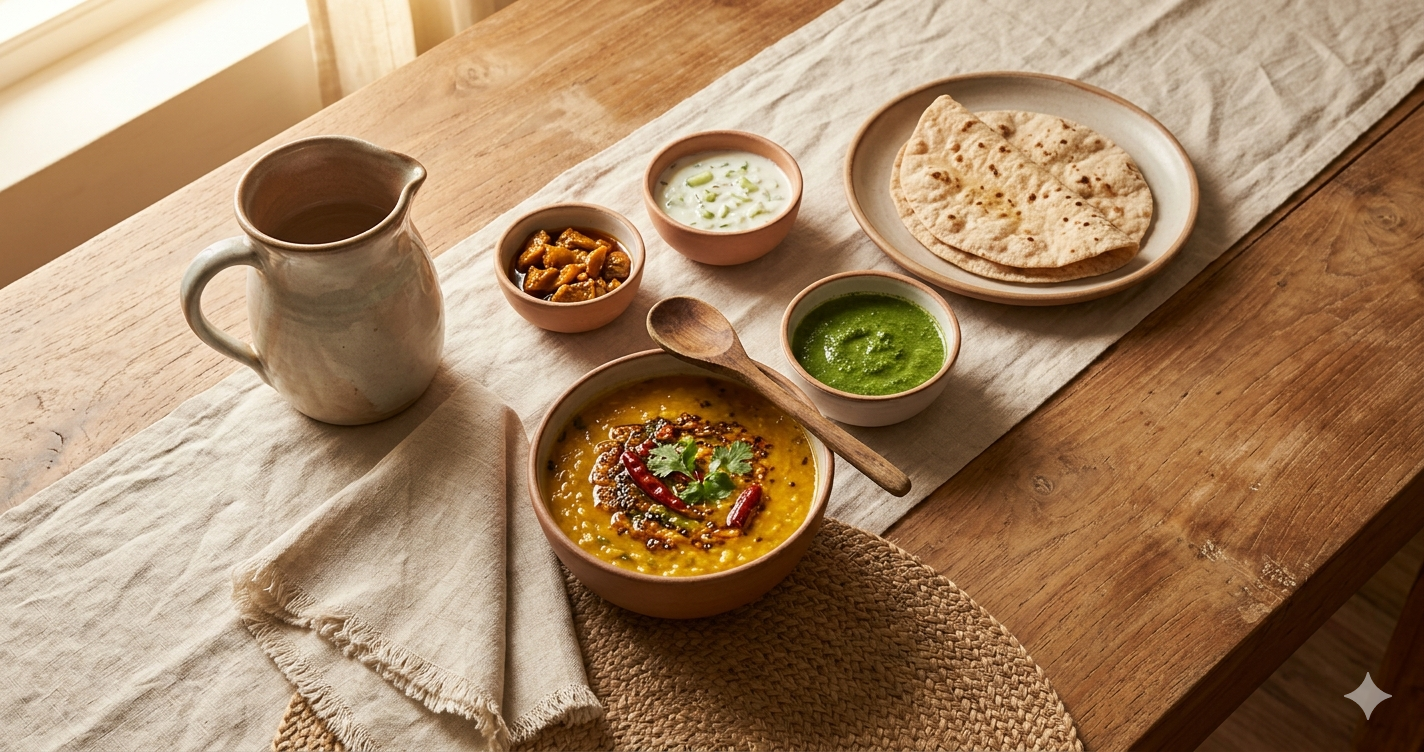
Styling a dining table at home does not require expensive decor. Start with natural textures — ceramic serveware, linen, wood. Keep spacing generous and uncluttered. Use warm lighting instead of harsh white LEDs. And let small intentional details — a handmade bowl, a ceramic pitcher, a folded napkin — do the work. The most inviting tables are rarely the most expensive ones.
Many people think table styling is something meant for restaurants, Pinterest influencers, or special occasions. In reality, the dining spaces people remember most are usually the simplest ones.
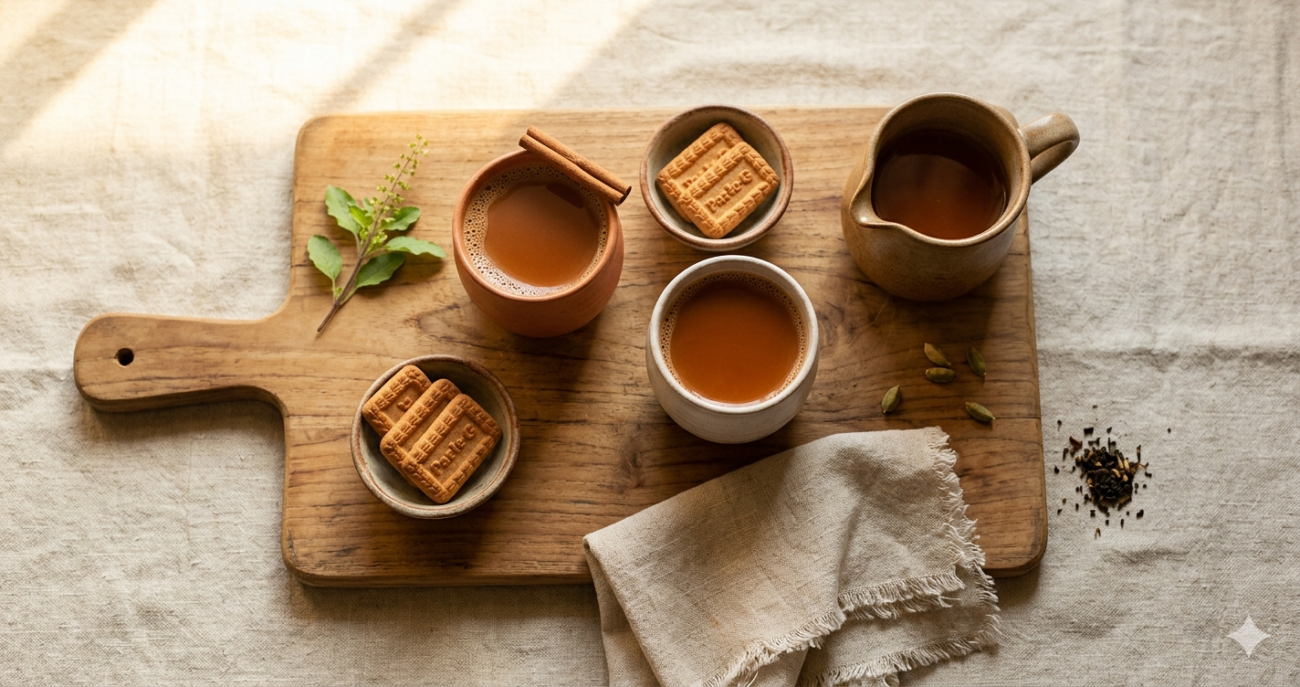
A thoughtfully placed ceramic jug, a warm cup of chai served in a handmade mug, soft lighting during dinner, or a neatly folded cloth napkin can quietly change how an entire space feels. Most homes do not need expensive dining setups. What makes a dining table feel genuinely inviting is warmth, comfort, and small details that make people slow down and stay a little longer.
The problem in most Indian homes today is that dining spaces are designed purely for function. Plates are placed hurriedly, mismatched plastic containers stay on the table, harsh white lighting dominates the room, and meals become something people finish while scrolling on their phones.
Good dining table styling ideas is not about perfection. It is about creating an atmosphere that feels calm, lived-in, and welcoming — every single day, not just when guests arrive.
Table of Contents
Dining Table Styling Ideas That Start With Texture
One of the biggest mistakes people make when styling a dining table is trying to decorate too much. In real homes, texture matters far more than decoration.
Natural textures make dining spaces feel warm and grounded:
- Handmade ceramic serveware with matte or satin glazes
- Wooden serving boards and trays
- Linen or cotton cloth napkins with natural folds
- Woven placemats in jute or cotton
- Earthy, unpolished surfaces rather than high-gloss finishes
Highly reflective surfaces, overly glossy tableware, and synthetic materials often make dining spaces feel colder and less personal. This is one reason handmade ceramics work so naturally on dining tables. The slight variations in glaze, the brushwork, and the organic texture create a visual softness that mass-produced, perfectly identical pieces simply cannot replicate.
How to layer textures on an Indian dining table
Layering is the key principle — not matching. Start with a base layer: a linen runner or a woven placemat laid slightly off-centre. This immediately introduces warmth without effort.
On top of that, place your serving pieces. A deep ceramic bowl for dal, a shallow ceramic plate for rotis, a small ceramic dish for chutney. Each piece can be a slightly different tone — warm white, clay, terracotta — as long as they share the same earthy warmth. The variety feels collected and personal, not mismatched.
Finally, add one anchor piece — something with visual presence that grounds the table. A ceramic water pitcher at the centre of the table, a wooden serving board with a cluster of small bowls, or a simple ceramic vase with a single stem. One anchor piece is enough. Two becomes clutter.
The result is a table that feels layered and considered without looking like it was styled for a photoshoot.
How to Make Everyday Dining Feel More Special at Home
In many Indian homes, people reserve their good tableware only for guests. The everyday table gets the mismatched plates, the plastic water bottles, the disposable cups.
But homes that feel genuinely warm and memorable usually treat everyday dining itself as something worth caring about. This does not mean creating elaborate setups every morning. It simply means making small intentional choices consistently:
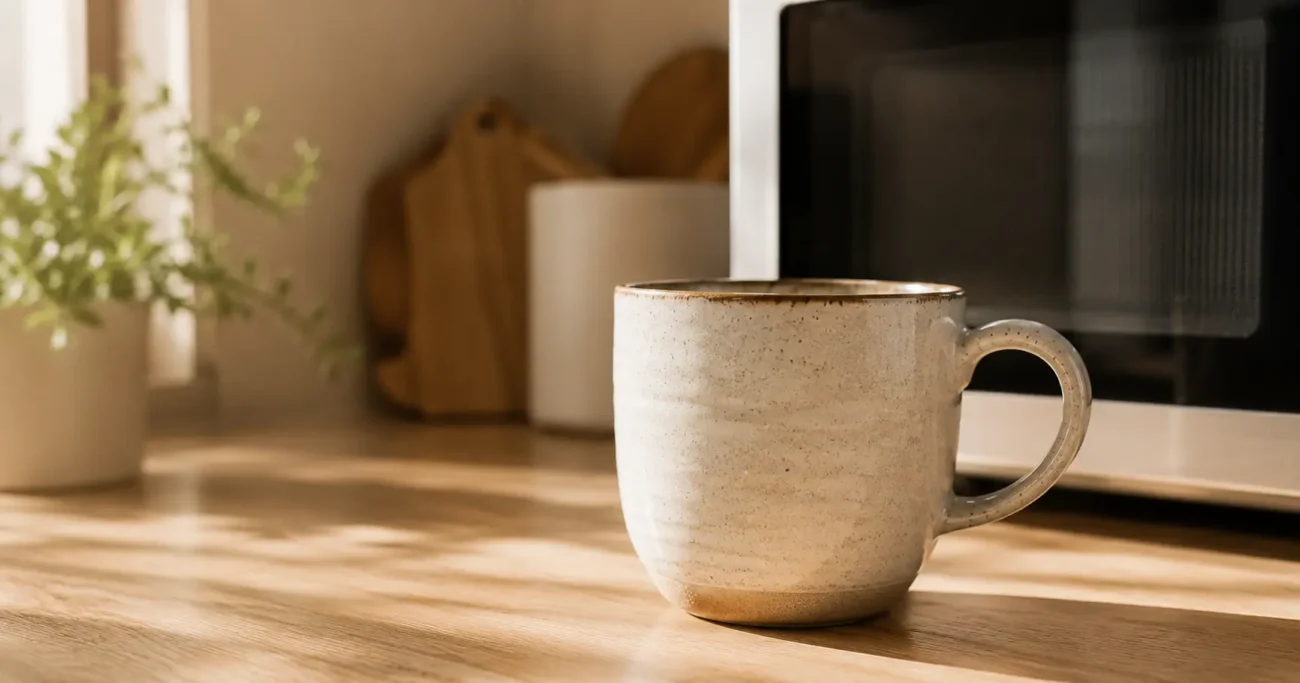
- Using proper ceramic mugs instead of disposable cups for morning chai
- Serving water in a ceramic or glass pitcher instead of plastic bottles left on the table
- Placing fruit in a ceramic serving bowl instead of leaving it in the plastic bag it came in
- Using warm lighting during dinner instead of overhead fluorescent lights
- Setting the table before calling people to eat, rather than eating directly from serving vessels
These small changes influence mood more than most people realise. Restaurants understand this deeply. The experience of dining is shaped not just by food, but by presentation, texture, lighting, spacing, and atmosphere. The same psychology exists at home — the only difference is intention.
How Ceramic Serveware Changes Your Dining Table Atmosphere
Ceramic serveware has a fundamentally different visual presence compared to steel, plastic, or glass-heavy setups — and understanding why helps you make better choices for your own table.
Ceramics absorb and diffuse light softly. Matte and semi-matte glazed ceramics especially create a calmer visual environment — they do not bounce harsh reflections across the table the way stainless steel does. This is one reason cafés, boutique restaurants, and modern hospitality spaces increasingly use handcrafted ceramic tableware. It feels slower, warmer, and more human.
Which ceramic pieces make the biggest difference
Not all ceramic pieces have equal impact on a table. Here is where to start if you are building a ceramic-led dining table for the first time:
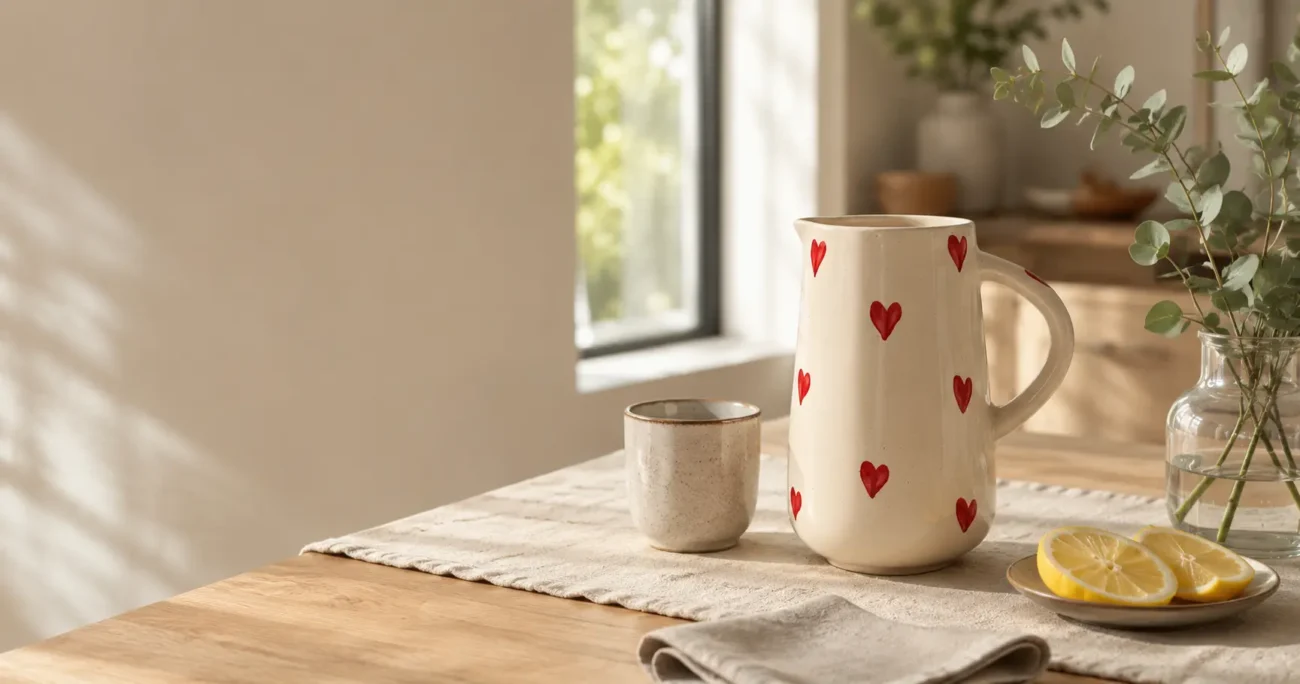
A ceramic water pitcher or jug — this single piece does more for a dining table than almost anything else. Placed at the centre, it becomes a natural visual anchor. It replaces plastic bottles, adds height variation to the table, and is used by everyone at every meal — making it the highest-visibility piece on any table.
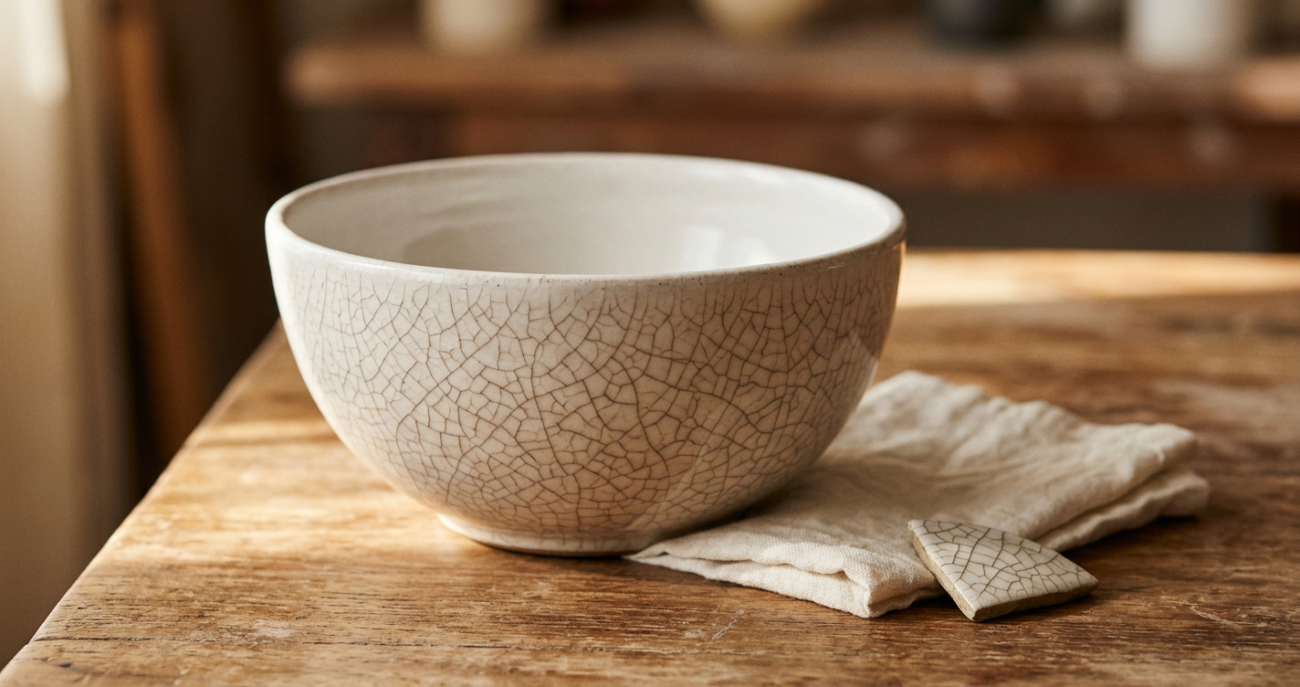
Deep serving bowls — for Indian dining especially, generous deep bowls for dal, sabzi, and curries immediately elevate the table. The depth of a good ceramic bowl frames food beautifully in a way that a flat plate cannot.
Small ceramic dishes for chutneys and pickles — these are the most underrated pieces on an Indian dining table. Small ceramic katoris for accompaniments replace the plastic packaging or mismatched steel bowls that most tables default to. They are inexpensive, highly visible, and immediately make a table feel more considered.
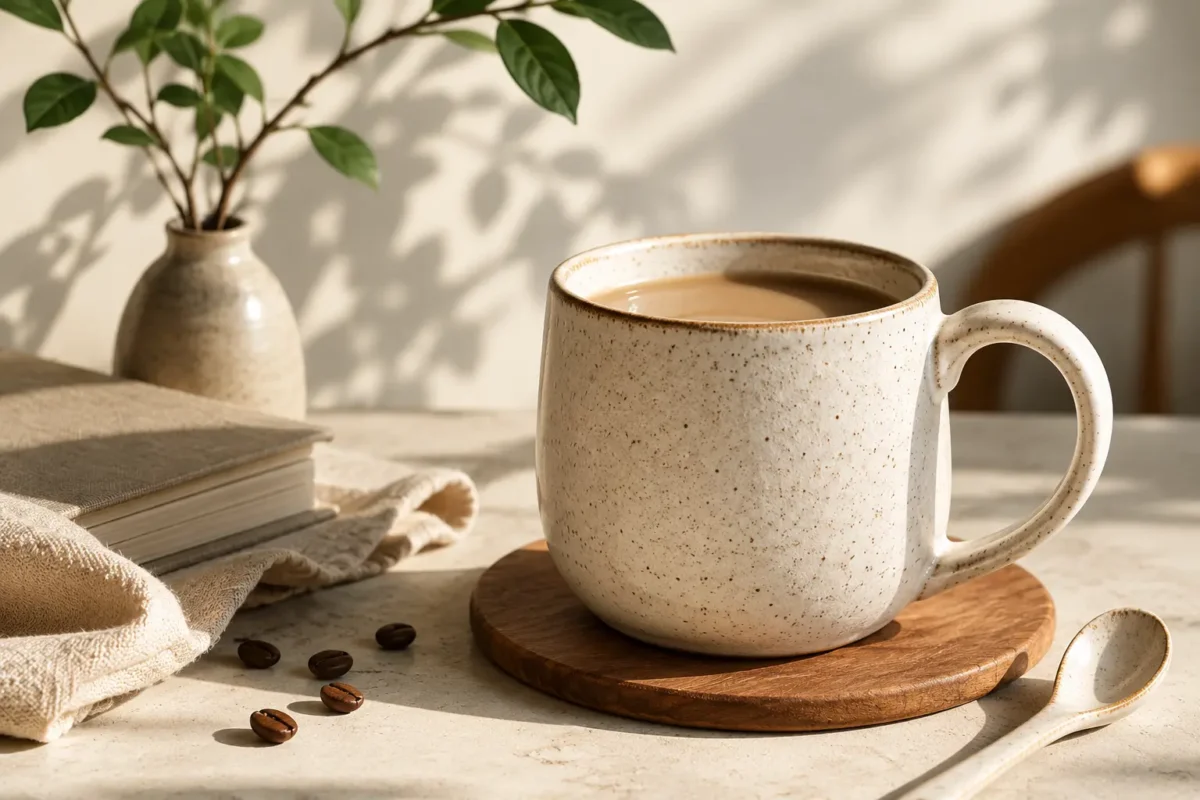
Handleless chai cups — for everyday chai, a handleless ceramic cup retains heat better than a mug and feels more grounded in the hand. Used daily, these quickly become the most emotionally attached pieces in the home.
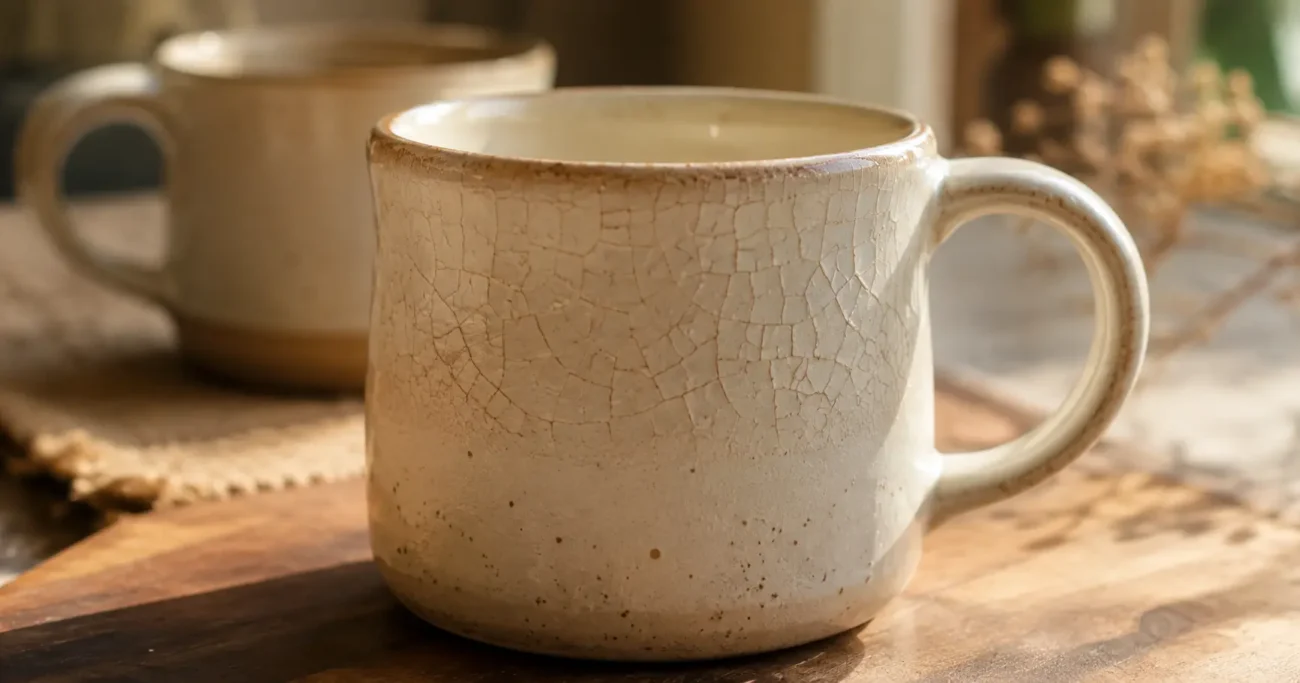
Handmade ceramic pieces also age differently from mass-produced tableware. Tiny variations, subtle marks from daily use, and the evolving texture of a well-used glaze make them feel more personal over time rather than worn out. People emotionally attach to objects they repeatedly use — a favourite tea mug, a breakfast bowl, a water pitcher that has been on the dinner table every night for a year. Serveware quietly becomes part of memory and routine.
Simple Colour Palettes That Work for Indian Dining Tables
Colour is one of the most powerful and most misunderstood elements of dining table styling. Many people default to either a completely matching set — all white, all steel — or to a chaotic mix of whatever is available. Both extremes miss the point.
The most visually comfortable dining tables work within a tonal palette — a family of 2 to 3 colours that share the same warmth and depth, even if the exact shades differ.
For Indian homes especially, earthy tonal palettes work beautifully because they complement the colours of Indian food naturally:
Warm earth palette — clay, terracotta, sand, and warm white. This palette makes the golden turmeric of dal, the deep red of sabzi, and the bright green of chutneys look more vivid and appetising. Handmade ceramics in earthy tones sit naturally within this palette.
Neutral warm palette — dusty white, warm grey, and natural linen. A calmer, more minimal palette that works especially well for morning meals and everyday breakfasts. Simple and easy to maintain.
Dark and grounded palette — deep charcoal, forest green, and natural wood tones. A more dramatic palette that works well for dinner settings and evening hosting. Requires more restraint with the number of pieces on the table.
What colours to avoid on a dining table
Cool tones — stark white, chrome silver, and bright blue — tend to make food look less appetising and spaces feel more clinical. Fluorescent or neon accent colours create visual noise that competes with the food itself. And a fully matching set in any single colour, however beautiful, often feels more like a showroom than a home.
Why Spacing Is the Most Underrated Dining Table Styling Tip
Most visually overwhelming dining tables suffer from one issue: too many objects competing for attention at the same time.
Good dining table styling very often comes from restraint rather than addition. Professional hospitality spaces leave intentional visual breathing room — fewer objects, balanced spacing, lower visual noise, softer colour palettes. The food and the people are what the eye should land on first, not a crowded collection of centrepieces and condiment bottles.
At home, this means:
- Avoiding overcrowded centrepieces that block sightlines across the table
- Limiting the number of bright colours present simultaneously
- Allowing empty space between serving items rather than filling every inch
- Keeping the heights of objects on the table varied but balanced — one tall piece, several low pieces, open space between them
- Removing items that do not belong to the meal — phones, keys, newspapers, extra packaging
Even the simplest meals look more inviting when the table feels visually relaxed. The eye needs somewhere to rest.
How Lighting Transforms Your Dining Table — and Why Most Homes Get It Wrong
Lighting is possibly the single most impactful and most overlooked element of dining table styling. Many people invest in beautiful tableware and then light the entire room with a harsh overhead white LED that cancels out everything they have done.
Warm lighting creates softness and depth that no amount of styling can replicate:
- Warm pendant lights hung low over the dining table
- Candles — even a single tea light at the centre of the table
- Side lamps placed near the dining area rather than overhead lighting alone
- Natural evening light from a nearby window during early dinner hours
This is why restaurants dim their lights during dinner hours. Warm lighting psychologically slows people down and makes spaces feel intimate. It softens the edges of everything on the table — the glaze on ceramics catches warm light differently than cool light, the wood grain becomes richer, and the food itself looks more inviting.
A modest dining setup under warm lighting will almost always feel more welcoming than an elaborately styled table under harsh white LEDs. Change the light first — it costs nothing if you already have a warm-toned bulb — and see how differently the same table reads.
Research in environmental psychology consistently shows that warm ambient lighting reduces stress and increases the time people spend at the table.
Do Dining Table Sets Need to Match? Why Varied Ceramics Work Better
One of the most persistent misconceptions in home dining styling is that everything must perfectly match — same brand, same colour, same finish, bought as a set.
In reality, slightly varied ceramics almost always feel more natural, more personal, and more lived-in than a perfectly uniform set.
A dining table that looks warm and inviting usually has pieces that:
- Share a tonal family rather than an exact colour match
- Come from different textures and finishes — one matte bowl, one satin-glazed pitcher, one rough-edged serving plate
- Feel as if they have been collected over time rather than purchased together in one transaction
- Complement each other without competing
This is especially true for handcrafted ceramics where slight irregularities in glaze and form create warmth instead of visual disorder. A set of six identical factory-made plates signals uniformity. A collection of six handmade pieces in harmonious tones signals care, taste, and personality.
Build your dining table slowly. Add one piece at a time, choosing each one because it feels right rather than because it completes a set. The table that results will feel far more like yours.
Simple Hosting Ideas That Make Guests Feel Instantly Welcome
Good hosting is often less about impressing people and more about helping them feel comfortable the moment they sit down.
People rarely remember perfectly folded napkins, expensive cutlery, or luxury decor. What they consistently remember is warmth, calmness, thoughtful small details, and a relaxed atmosphere where conversation came easily.
A dining table plays a quiet psychological role in that experience. Spaces that feel too formal sometimes create tension — guests feel they must behave carefully around precious objects. Spaces that feel warm and effortless usually help conversations flow naturally because nothing on the table is asking for special attention.
This is why the best hosting setups often feel simple rather than extravagant. A clean table, warm lighting, earthy ceramic serveware, and food served with care — these are the elements that make guests feel genuinely welcomed rather than impressed.
For a deeper exploration of hosting psychology, creating comfortable dining environments, and the cultural context of hospitality in Indian homes, read our complete guide: Hosting at Home: Creating Warm and Beautiful Dining Experiences
Frequently Asked Questions
What is the easiest way to style a dining table at home?
Start with one change at a time rather than restyling everything at once. The highest-impact single change is usually replacing plastic water bottles with a ceramic or glass pitcher at the centre of the table. It immediately anchors the table visually, removes the most visually disruptive element, and is used at every meal. From there, add a linen napkin, warm lighting, and earthy ceramic serveware gradually.
Do I need matching tableware for a well-styled dining table?
No — and matching sets often make tables feel less personal. The most inviting dining tables use pieces that share a tonal palette and texture family rather than an exact match. Earthy tones — clay, warm white, terracotta — naturally harmonise even when the pieces come from different sources. Slight variation between pieces makes a table feel collected and personal rather than bought-in-one-go.
How does lighting affect dining table styling?
More than almost any other element. Harsh overhead white lighting flattens the texture of ceramics, reduces the warmth of wood, and makes food look less inviting. Switching to a warm-toned bulb, adding a pendant light over the table, or using candlelight during dinner can completely transform the same setup. Always style your table under the lighting conditions you will actually use it in.
What type of serveware works best for everyday Indian dining?
Deep ceramic bowls for curries and dal, shallow plates with a slight lip for main dishes, small ceramic katoris for chutneys and pickles, and a ceramic water pitcher for the centre of the table. Handmade stoneware in earthy matte tones complements the colours of Indian food most naturally — the golden turmeric, deep reds, and bright greens look more vivid against clay and warm white ceramics than against steel or stark white.
How do I make a small dining table look more inviting?
Restraint is the answer for small tables. Use fewer, better pieces rather than filling the surface. Keep the centre clear or use one low anchor piece rather than a tall centrepiece. Choose compact ceramic pieces that serve their function without overhanging the edge. And use warm lighting — it makes a small space feel intimate rather than cramped.
How do I start building a ceramic dining table without spending a lot at once?
Start with one or two pieces that you will use every single day — a water pitcher or a set of chai cups. Daily use is what creates emotional attachment to handmade pieces, and daily visibility is what gradually transforms a table. Add one piece at a time over months rather than buying a full set immediately. A table built slowly always feels more personal than one assembled in a single purchase.



3 thoughts on “How to Style a Dining Table at Home: Simple Ideas That Actually Work”