
Blog
Is Ceramic Microwave Safe? What Most People Don’t Know

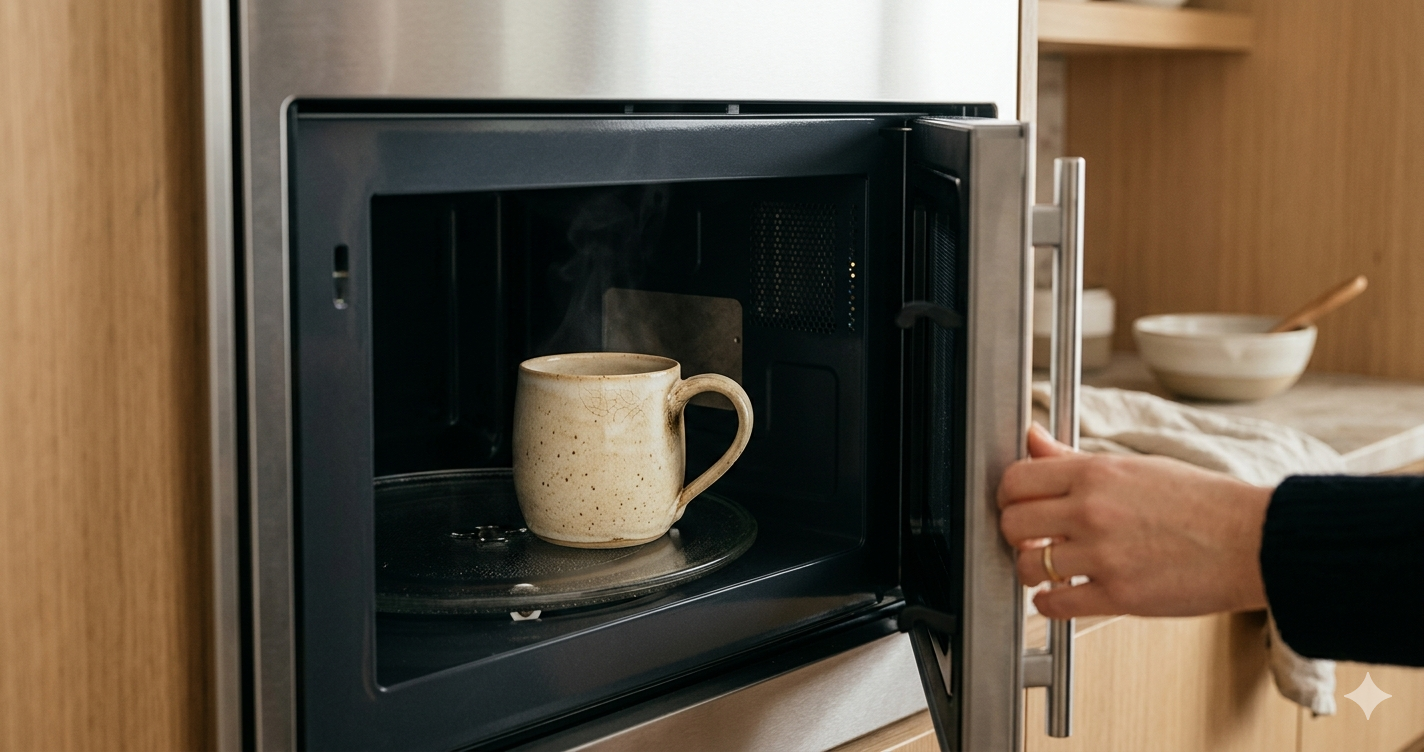
Quick Answer
Not all ceramics are microwave safe — but most high-fired stoneware and porcelain are. The safety depends on three things: the type of clay, how it was fired, and whether the glaze contains metallic elements. Earthenware and low-fired ceramics are generally not safe for microwave use. Handmade stoneware with a lead-free, non-metallic glaze fired above 1200°C is typically safe — but always do the simple water test before microwaving a new piece for the first time.
Ceramic has become a part of everyday life for many of us.
From coffee mugs and dinner bowls to serving platters and baking dishes, ceramics are everywhere in modern kitchens. But one question still confuses a lot of people:
Is ceramic microwave safe?
The short answer is: not necessarily.
Some ceramic products are perfectly safe for microwave use, while others can crack, overheat, or even become unsafe over time. The difference often comes down to the materials used, the glaze quality, and how the ceramic was made.
If you’ve ever wondered whether your ceramic mug or bowl is truly microwave safe, here’s a simple guide that explains what actually matters.
Table of Contents
Why Some Ceramics Are Microwave Safe — And Others Aren’t
Most ceramics are made by firing clay at high temperatures until it hardens.
But the final safety of a ceramic product depends on several factors:
- The type of clay used
- The glaze coating
- Firing temperature
- Presence of metallic paint or decoration
- Quality control during production
A well-made ceramic product with stable glaze and proper firing is usually microwave safe.
However, poorly made ceramics or decorative pieces with metallic detailing may not react well to microwave heat.
The Three Types of Ceramic and Their Microwave Safety
Not all ceramics behave the same way in a microwave. The single most important factor is the type of clay used and the temperature at which it was fired. Here is what you need to know about each type.
Earthenware — generally not microwave safe
Earthenware is fired at lower temperatures — typically between 900°C and 1150°C. At these temperatures the clay does not fully vitrify, meaning it remains porous and continues to absorb water during washing and everyday use. When that water-logged piece goes into a microwave, the trapped moisture heats independently — causing the vessel to get dangerously hot while the food inside may remain unevenly heated.
Traditional Indian earthenware — kulhads, unglazed clay pots, and low-fired decorative pieces — falls into this category and should not be used in the microwave.
Stoneware — generally microwave safe
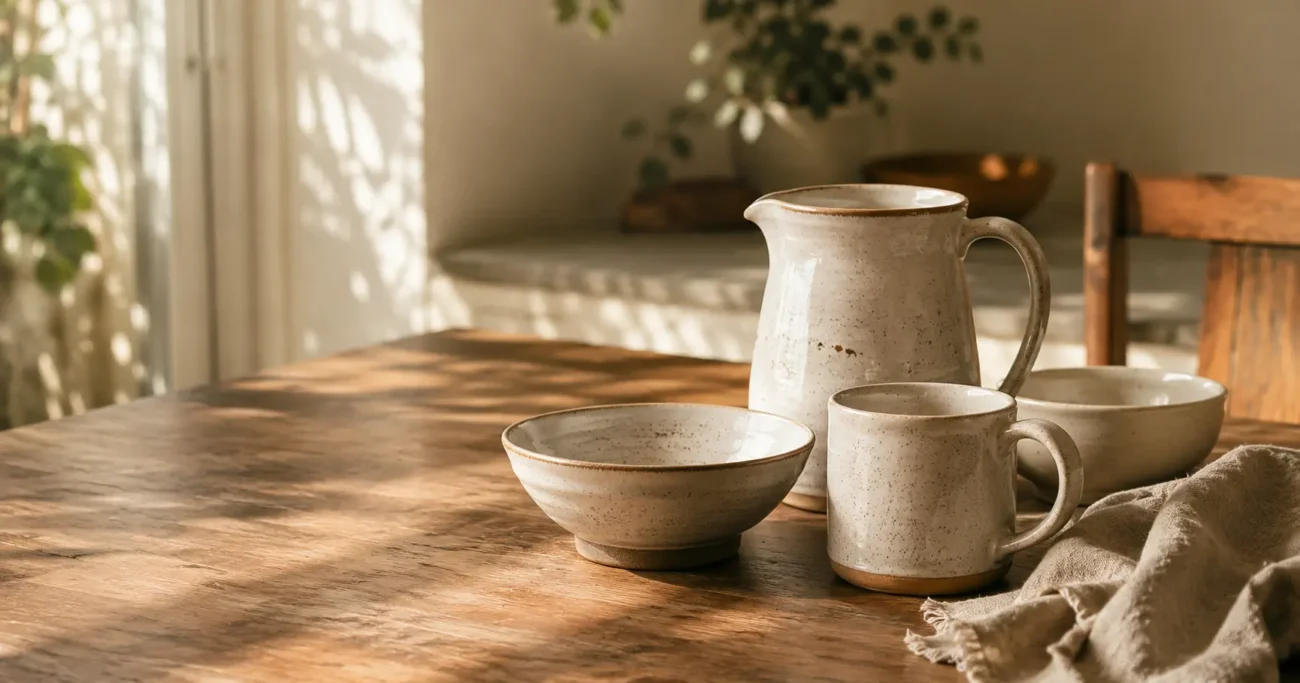
Stoneware is fired at significantly higher temperatures — typically between 1200°C and 1300°C. At these temperatures the clay becomes fully vitrified and dense, with a porosity of just 1 to 2%. Because it does not trap water in its clay body, properly fired stoneware does not independently heat up in the microwave — making it safe for regular microwave use provided the glaze contains no metallic elements.
Most quality handmade ceramic pieces from studio potters fall into this category.
Porcelain — generally microwave safe
Porcelain is fired at high temperatures and is denser and less porous than even stoneware — making it one of the most microwave-stable ceramic materials available. The one exception, as with all ceramics, is any piece with metallic decoration. Gold rims, silver accents, and metallic luster glazes must never go in the microwave regardless of the underlying clay body.
Signs That a Ceramic Product May NOT Be Microwave Safe
1. Metallic Detailing
If your mug or plate has:
- gold lining
- silver accents
- metallic paint
it should generally not go inside a microwave.
Metal reflects microwave energy and may create sparks or uneven heating.
2. Cracks in the Glaze
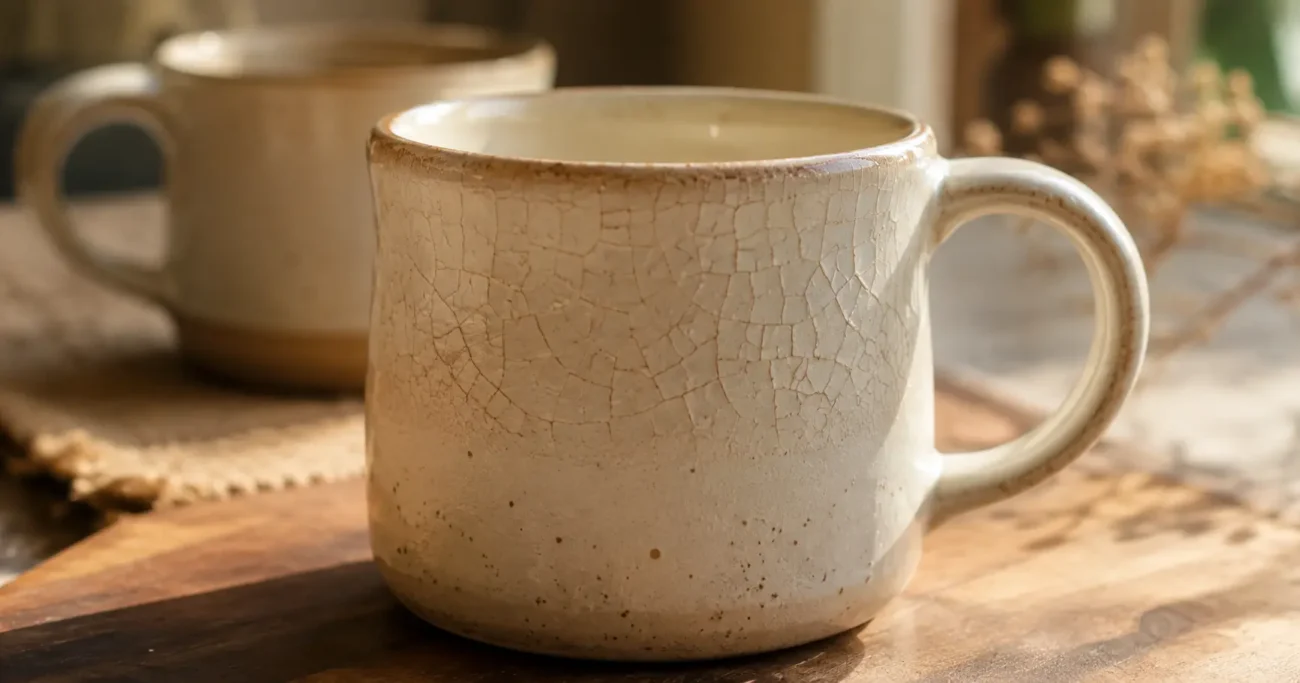
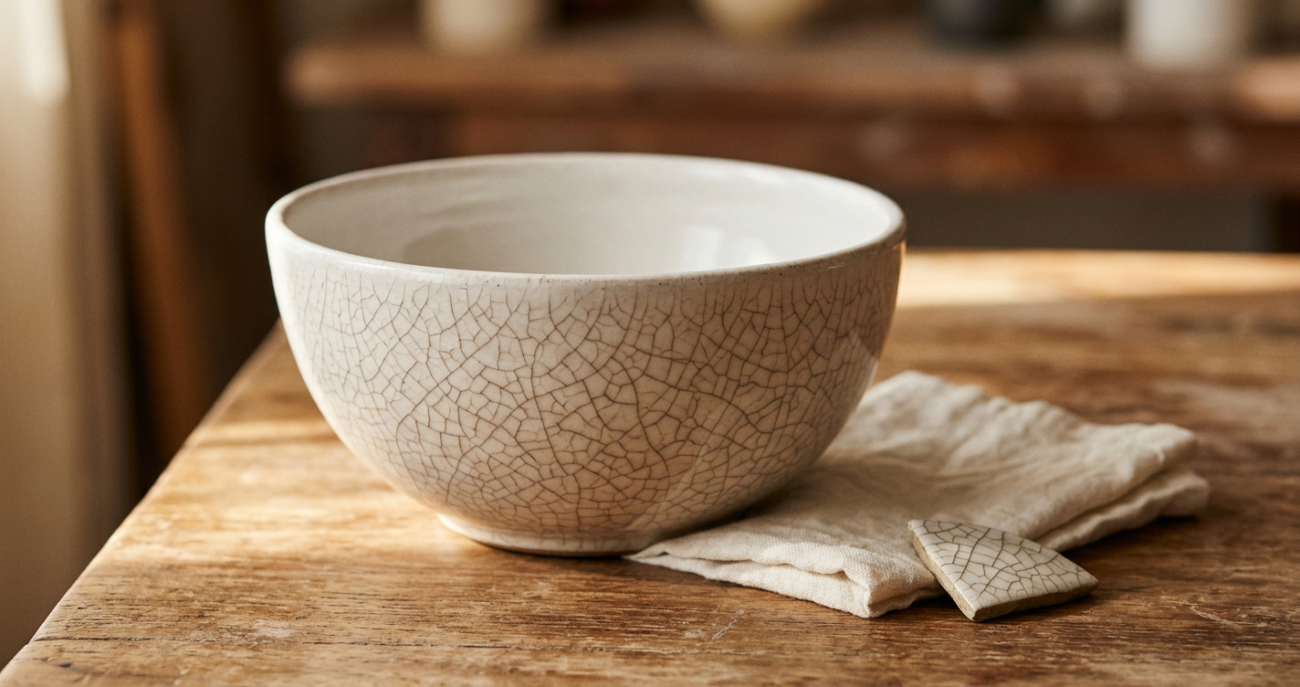
Tiny cracks, also called crazing, can weaken ceramic products over time.
These cracks may absorb moisture and cause uneven heating during microwave use.
If a ceramic product has visible cracks or damaged glaze, it’s safer to stop microwaving it.
3. Extremely Hot Surface, Cold Food
A quick microwave test can reveal a lot.
Heat the ceramic product with water for about 30 seconds.
If:
- the ceramic becomes extremely hot
- but the water remains only mildly warm
then the ceramic itself may be absorbing too much microwave energy.
That usually indicates lower microwave compatibility.
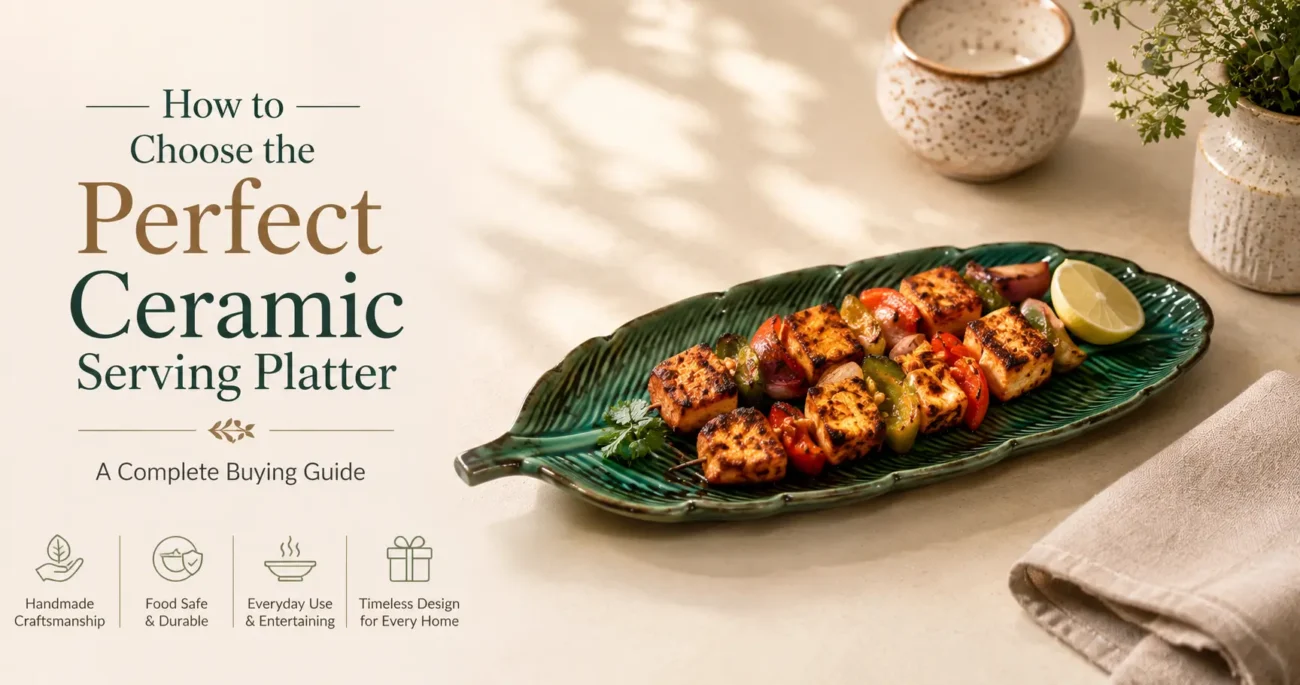
If you’re shopping for a ceramic jug rather than simply checking microwave safety, our ceramic water jug buying guide covers everything from food safety and capacity to choosing the right design.
The Complete Water Test — Step by Step
Here is a more precise version of the test that gives you a clearer result:
- Fill the ceramic piece with cold water
- Place it in the microwave alongside a separate microwave-safe glass also filled with cold water
- Microwave both on full power for one full minute
- Carefully remove and check both pieces immediately
If the ceramic feels cool or only slightly warm and the water inside is hot — the piece is microwave safe. The microwave energy passed through the ceramic and heated the water, not the vessel.
If the ceramic feels significantly hotter than the water inside it — the piece is absorbing microwave energy. This indicates high porosity, metallic elements in the glaze, or both. Do not use this piece in the microwave.
If the ceramic feels the same temperature as the water — use the piece only for short microwave intervals and monitor it each time.
4. Decorative Ceramics Meant Only for Display
Some handmade ceramics are created mainly for decor purposes.
These may not be designed for repeated heating or food use.
Always check whether the maker specifically mentions:
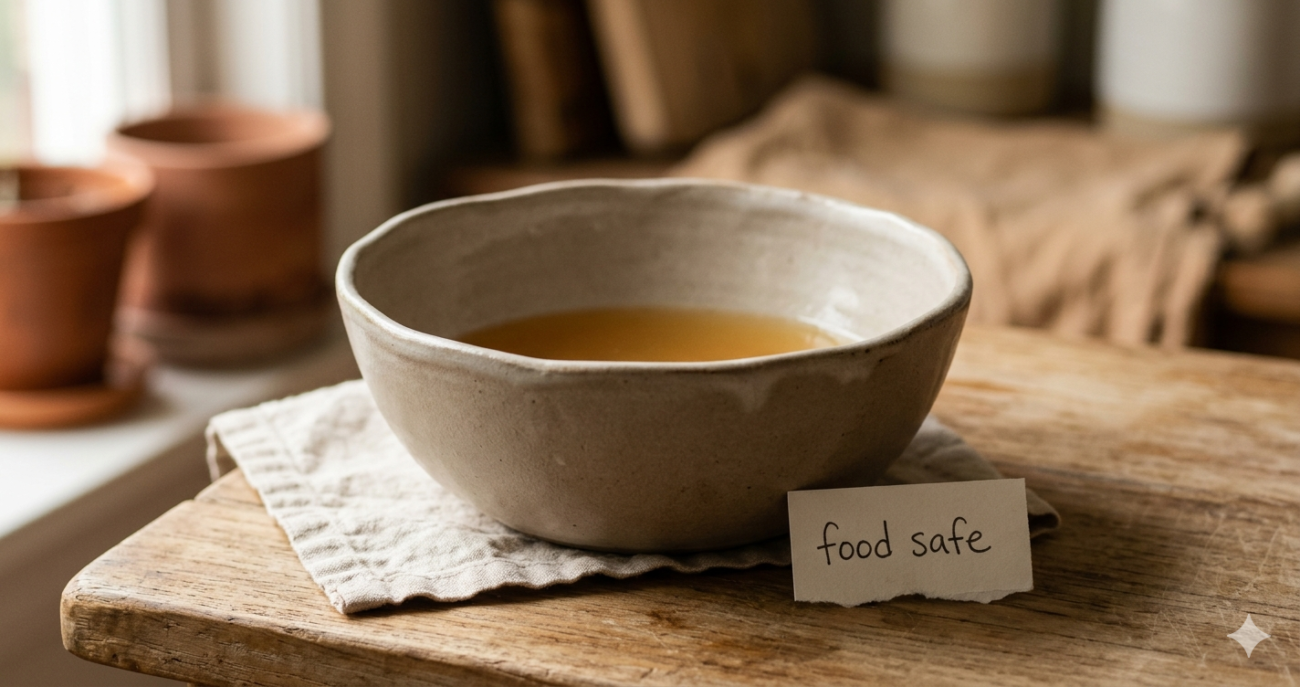
- food safe
- microwave safe
- dishwasher safe
before regular use.
Are Handmade Ceramics Safe for Microwave Use?
This is one of the most common misconceptions.
People often assume handmade ceramics are automatically delicate or unsafe.
That’s not true.
Many handmade ceramic products are completely microwave safe when:
- properly fired
- made using food-safe glaze
- tested for daily usability
In fact, many artisan ceramic brands today focus heavily on creating products that combine aesthetics with practical everyday use.
The important thing is understanding the quality and intended usage of the product. The most common question we get at ArtyCera
is whether our handmade pieces are ceramic microwave safe — the answer depends on the clay body and glaze used.
How to Use Ceramic Products Safely in the Microwave
Avoid Sudden Temperature Changes
Do not move a ceramic bowl directly from:
- refrigerator → microwave
- microwave → cold water
Rapid temperature shifts can create thermal shock.
Avoid Overheating Repeatedly
Long microwave cycles can weaken some ceramics over time.
Shorter heating intervals are usually safer.
Check Older Ceramics Regularly
If an older mug develops:
- cracks
- rough texture
- glaze damage
- discoloration
it may be time to retire it from daily use.
Why Microwave Safety Matters More Than People Think
Most people only think about aesthetics while buying mugs or bowls.
But usability matters just as much.
A good ceramic product should not only look beautiful on a shelf — it should also feel dependable during everyday life.
That balance between:
- visual warmth
- practicality
- comfort
- durability
is what makes people emotionally attached to certain mugs, bowls, and serving pieces.
What About Indian Handmade Ceramics Specifically
India has a rich tradition of both low-fired earthenware and high-fired stoneware from studio potters — and these are fundamentally different in their microwave safety.
Traditional low-fired Indian earthenware — regardless of how beautiful or how culturally significant — is not suitable for microwave use. The clay body is too porous and the firing temperatures too low for microwave stability. This includes kulhads, unglazed clay serving bowls, and decorative terracotta pieces.
High-fired stoneware from Indian studio ceramics makers is a completely different category. Fired at high temperatures with food-safe non-metallic glazes, these pieces behave like any other quality stoneware in the microwave. The confusion arises because both categories are often referred to simply as “handmade Indian ceramics” — but their material properties are entirely different.
The safest approach is always to ask your maker directly. A responsible ceramics studio should be able to confirm their firing temperature and glaze composition without hesitation.
Safe Microwave Practices for Ceramic Pieces You Trust
Even a fully microwave-safe ceramic piece benefits from sensible use habits. The existing guidance in this article covers the basics — here are a few additional practices worth knowing:
Use shorter intervals rather than long cycles — rather than microwaving on full power for three minutes continuously, use 60 to 90 second intervals. Check the temperature of both the food and the vessel between intervals. This reduces thermal stress on the ceramic over time.
Never microwave an empty ceramic piece — always have food or liquid in the piece when microwaving. An empty ceramic in a running microwave concentrates heat in the vessel itself rather than the food, which stresses the clay and glaze with repeated use.
Cover food loosely rather than sealing tightly — steam pressure inside a fully sealed ceramic piece can cause stress at weak points. Use a loose cover or leave a small gap for steam to escape during microwaving.
Monitor pieces that are new to you — if you have just received a handmade ceramic piece as a gift or bought one from a new maker, do the water test before your first microwave use. It takes one minute and removes all uncertainty.
Final Thoughts
The answer to whether ceramic is microwave safe is not a simple yes or no — it depends on the type, the glaze, and how it was fired.
Understanding the basics helps you make better choices and use your ceramics more confidently.
When buying handmade ceramics, it’s always worth checking whether the product is:
- microwave safe
- food safe
- suitable for daily use
because good ceramics are not just decorative objects.
They quietly become part of everyday rituals. If you have questions yet to be answered do take a look at our Ceramic Care Guide which addresses common concerns around ceramics.
Frequently Asked Questions
Can Handmade Ceramic Mugs Go in the Microwave?
Yes, many handmade ceramic mugs are microwave safe if they are properly fired and use food-safe glaze.
Why Does My Ceramic Mug Become Too Hot in the Microwave?
Some ceramics absorb microwave energy inefficiently due to clay composition or glaze quality.
Is Cracked Ceramic Safe to Microwave?
It’s generally better to avoid microwaving cracked ceramics because moisture can enter damaged areas and weaken the structure further.
Are Ceramic Plates Safer Than Plastic in Microwaves?
High-quality microwave-safe ceramics are often preferred over some plastics because they do not release chemicals under heat.
Can I microwave a ceramic bowl with Indian food like dal or curry?
Yes — provided the bowl is high-fired stoneware with no metallic decoration. Deep ceramic bowls are well suited for reheating curries, dal, and sabzi in the microwave. Use shorter intervals rather than one long cycle, and allow the bowl to cool slightly before handling as stoneware retains heat well after microwaving.
Does dishwasher safe mean microwave safe?
No — these are separate certifications testing for different things. A piece can be stable in a dishwasher’s hot water and detergent cycle but still contain metallic glaze elements that make it unsafe in the microwave. Always check specifically for microwave safety rather than assuming dishwasher safety implies it.
Related Reads
If you found this helpful, you may also like:
- Is Your Ceramic Mug Safe? The Ultimate Guide to Quality and Craftsmanship – A detailed guide to recognising warning signs in your ceramic mugs — from glaze damage and crazing to overheating and wear — so you know when a piece is no longer safe for everyday use.
- Are Handmade Ceramics Food Safe? What Every Buyer Should Know – Everything you need to know about ceramic food safety — from lead in glazes and firing temperatures to how to tell whether a handmade piece is truly safe for food and drink.


5 thoughts on “Is Ceramic Microwave Safe? What Most People Don’t Know”