
Blog
Chai Serving Ideas for Everyday Hosting at Home

Quick Answer
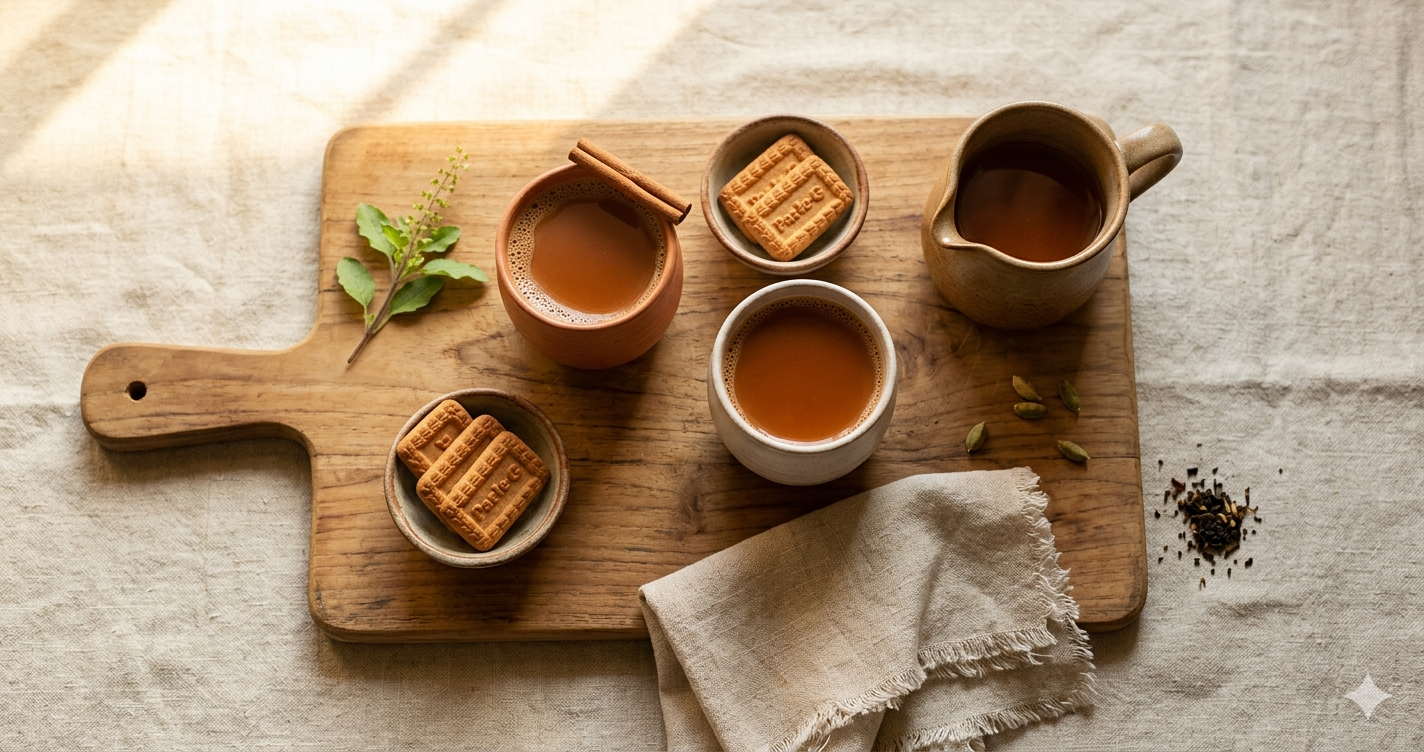
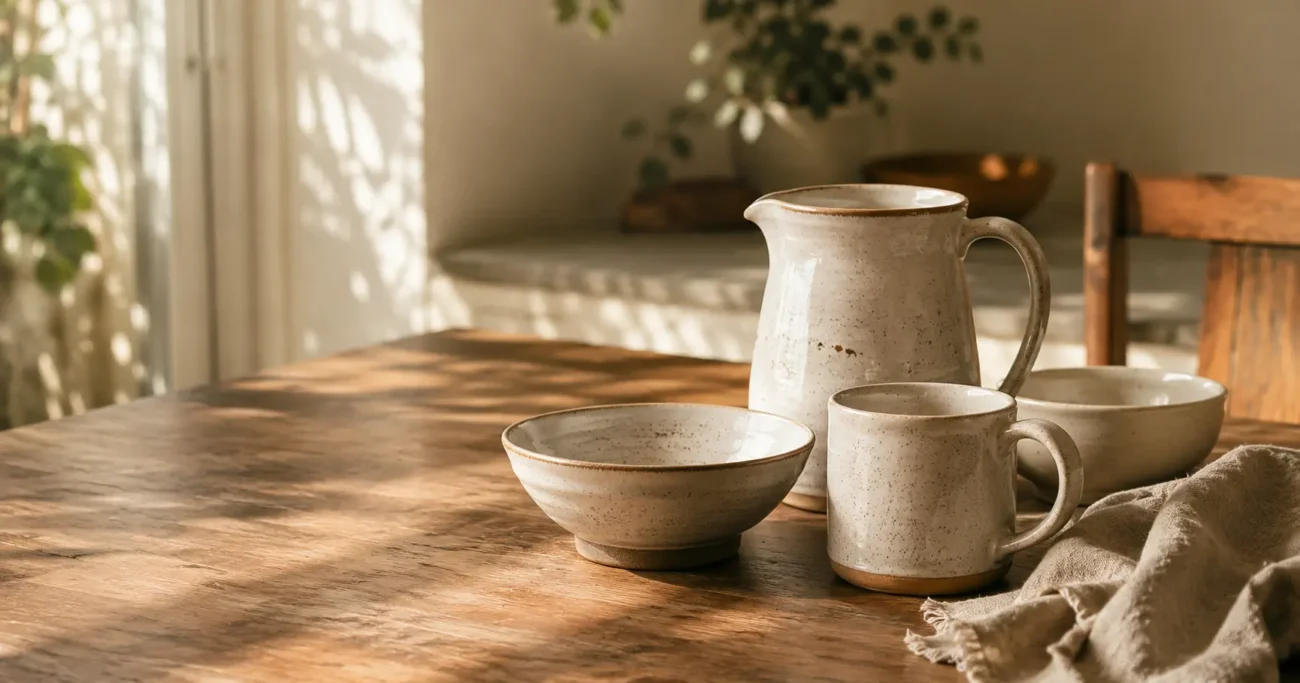
The simplest chai serving idea is also the most impactful: serve chai in a handmade ceramic cup on a small wooden or ceramic tray, with one accompanying snack in a small dish beside it. That single combination — the right cup, a tray, something to eat — transforms chai from a drink into a gesture. Everything else is detail.
Chai serving ideas are something most Indian homes never think about — and yet the way chai is served shapes the entire experience of being welcomed into a home.
It does not wait for a special occasion. It does not require preparation or planning. The moment someone arrives at the door — a neighbour, a relative, a close friend — the kettle goes on. No one asks. No one needs to. Throughout India, chai symbolises hospitality, warmth, and togetherness — it is a social cornerstone woven into the fabric of everyday life and special occasions alike.
What is changing in modern Indian homes is not the chai itself — it is how it is served. A generation of urban homemakers is discovering that the cup, the tray, the small dish of biscuits beside it — these quiet details matter. They transform a functional gesture into a beautiful one without adding effort or expense.
This guide covers everything: the right vessels, the right styling, the occasions, and the small details that make everyday chai hosting feel considered and warm.
Table of Contents
Why Chai Is the Most Important Hosting Ritual in Indian Homes
Before getting into the styling ideas, it is worth understanding why chai occupies such a specific place in Indian hospitality — because that understanding shapes every serving decision.
Chai is not just a beverage in India. National Geographic notes that tea is a way of life in many countries, and in India specifically, it is the drink you are offered the moment you step into someone’s home. It is the first gesture of hospitality and the most repeated one.
This is not sentiment — it is sociology. Chai is the lowest-barrier hosting gesture in Indian culture. It requires no planning, no elaborate preparation, no matching crockery. What it requires is attention. The act of making chai for someone — stopping what you are doing, going to the kitchen, returning with something warm — is a signal that the person matters.
Research shows that rituals serve psychological functions: reducing anxiety, enhancing performance, creating a sense of control, and building meaning. The difference between a habit and a ritual is intention. The same cup of chai made absentmindedly and handed over feels different from one brought on a small tray with a biscuit beside it. The liquid is identical. The intention is completely different.
This is why chai serving ideas are not really about aesthetics. They are about making the intention visible.
The Right Vessel Makes All the Difference — Choosing Your Chai Cup
The single most impactful chai serving decision is the cup itself. Everything else — the tray, the accompaniments, the styling — supports the cup. Get the cup right and the rest follows naturally.
Handleless ceramic chai cups
The handleless ceramic cup — sometimes called a kulhar-inspired cup in modern studio ceramics — is the most considered choice for everyday chai serving. Here is why:
A handleless cup requires both hands to hold. This small physical detail changes the entire experience of drinking chai. The person holding it slows down — they cannot scroll a phone, gesture broadly, or multitask in the same way. Two hands around a warm ceramic cup is an unconscious signal to be present.
Handmade stoneware handleless cups also retain heat differently from factory-made ceramic or glass. The clay body insulates gently, keeping chai warm for longer without the cup itself becoming uncomfortably hot. For everyday use, this is a practical advantage as much as an aesthetic one.
The earthy matte glaze of a handmade cup also changes how chai looks. The deep amber of masala chai against a warm clay or dusty white glaze has a richness and depth that the same chai in a white factory mug simply does not have. The cup frames the drink.
Traditional kulhads for a specific occasion
Unglazed terracotta kulhads — the traditional Indian chai vessel — bring a specific experience that no other cup replicates. The earthiness of the clay subtly changes the flavour of chai, and the rough texture in the hand is deeply familiar across Indian generations.
Kulhads are best suited for outdoor settings, casual large gatherings, or specific occasions where the traditional gesture is the point. For everyday indoor hosting, a handmade ceramic cup offers both the warmth of the kulhad tradition and the practicality of a vessel that can be washed and reused for years.
Regular mugs — when they work and when they do not
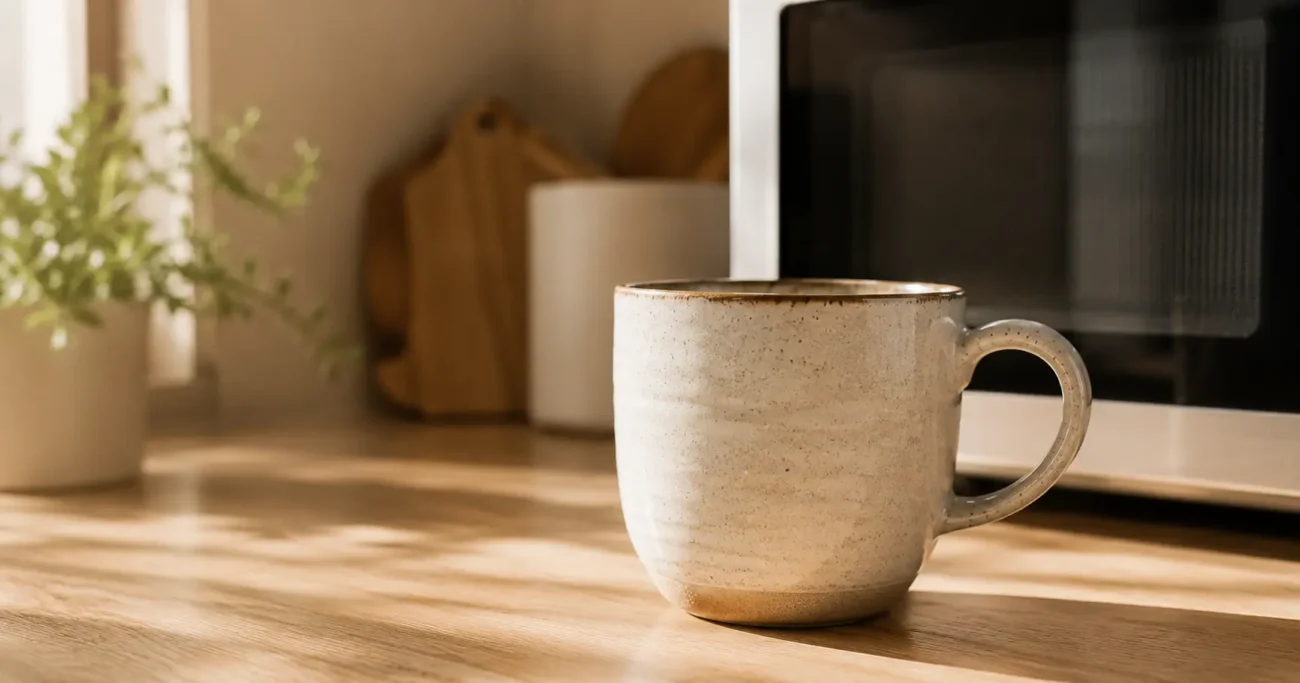
A well-chosen ceramic mug is perfectly appropriate for everyday informal chai. The deciding factor is not whether it has a handle — it is whether it feels intentional. A mug you actually like, in an earthy tone, that feels good in the hand, can be just as considered as a handleless cup.
What does not work for hosting — regardless of how practical it is — is a mismatched collection of corporate freebie mugs, cracked plastic-handled mugs, or disposable paper cups. These signal that the person’s chai was not worth a moment of thought. And in Indian hosting culture, that is felt.
Chai Serving Ideas for Every Occasion at Home
1. The everyday neighbour chai — simple and warm
This is the most common chai hosting scenario in Indian homes — a neighbour dropping by unexpectedly on a weekday afternoon. The goal is warmth without fuss.
What works:
- Two handmade ceramic cups on a small wooden tray or ceramic plate
- A small ceramic katori beside each cup with two or three biscuits — Parle-G, Marie, or whatever is in the tin
- No tablecloth, no napkins, no staging — just the tray, the cups, and the chai
The tray is the key element here. It turns two cups on a table into a served chai. The act of carrying something to a guest on a tray — however simple — is a gesture of care that is universally understood.
2. Morning family chai — the daily ritual worth caring about
Research published in the Harvard Business Review shows that personal rituals benefit not just how we feel but how we work and connect with others — and that turning everyday habits into rituals through intentional action creates measurable improvements in wellbeing.
The morning chai shared with family is the highest-frequency hosting ritual in most Indian homes. It happens every day, which means it has the highest cumulative impact on how a home feels. Yet it is almost always the most neglected in terms of presentation.
Small changes that make morning family chai feel like a ritual rather than a task:
- Dedicate a specific tray for morning chai — a small wooden board or a shallow ceramic plate that lives near the kettle and comes out every morning
- Use the same cups consistently — people develop attachment to specific objects through repeated use. A favourite chai cup becomes part of morning identity
- Add one accompaniment consistently — a small bowl of murmura, a plate of biscuits, a piece of toast. The accompaniment signals that this is a moment, not just a caffeine delivery
- Set the tray on the table rather than handing cups directly — the thirty seconds this takes completely changes the quality of the morning interaction
3. Guests at home — the considered chai setup
When guests arrive for a longer visit — family from out of town, close friends for an afternoon — chai becomes the anchor of the entire visit. It is served on arrival, likely again mid-afternoon, and possibly a third time before leaving. How it is served shapes the emotional memory of the visit.
For this occasion, a slightly more considered setup works beautifully:
- A ceramic serving tray or a wooden board as the base
- Three to four handmade ceramic cups — not matching, but harmonious in tone
- A small ceramic pitcher of additional chai kept warm — guests can refill without asking
- Two or three small ceramic katoris with accompaniments: namkeen, biscuits, a small sweet if available
- A folded linen napkin or a small cotton cloth under the tray
The small ceramic pitcher for additional chai is the single most hospitable element in this setup. It removes the awkward moment where a guest wants more chai but does not want to ask. The pitcher says: there is more, please help yourself.
4. Chai for one — the self-hosting ritual
This is perhaps the most overlooked chai serving idea — serving yourself well. In Indian homes, people often make their best chai for guests and drink their own from whatever is available.
The most intentional thing you can do for your own daily chai is to have one specific cup that is yours — a handmade ceramic cup you actually love — and to always use it. Place it on a small saucer or a piece of folded linen. Sit down with it rather than standing at the kitchen counter.
This is not indulgence. The difference between a habit and a ritual is intention. Rituals are symbolic, deliberate actions performed with attention and meaning. Making your own morning chai a ritual rather than a habit is one of the simplest, cheapest improvements to daily quality of life available.
5. Festive and special occasion chai
Diwali, Eid, Holi, a housewarming, a small celebration at home — these occasions call for chai that feels festive without being formal.
What changes for festive chai serving:
- More cups, same harmonious aesthetic — a collection of handmade cups in earthy tones rather than a matching set
- A larger tray — a wooden serving board or a ceramic platter as the base
- Small diyas or a single tea light on the tray for evening occasions — warm light transforms the entire setup
- More accompaniments — small ceramic bowls of namkeen, mithai, dry fruit
- A small flower or sprig of fresh mint placed casually on the tray — one natural element is enough
The goal for festive chai is abundance without clutter. More cups, more accompaniments, warmer light — but the same principles of restraint and breathing room that make everyday chai serving beautiful.
How to Style a Chai Tray — The Core Principles
A chai tray is the simplest and most achievable table styling project in any home. Here are the principles that make it work:
One anchor, everything else supports it
Every chai tray needs one visual anchor — the element the eye goes to first. Usually this is the chai cup itself, or a small ceramic pitcher if you are serving multiple people. Place the anchor piece first, then build around it.
Odd numbers feel more natural
Two cups feel paired. Three cups feel gathered. If you are serving chai to two people, adding a small third element — a katori, a small dish, a single flower — breaks the symmetry and makes the tray feel more considered and less arranged.
Keep one surface clear**
Whatever size tray you use, leave at least a third of it visually clear. The empty space is not wasted — it is what makes everything on the tray feel placed rather than crowded.
Match tones not shapes
Earthy tones — clay, terracotta, warm white, teak, natural linen — work together because they share warmth, not because they share a shape or pattern. A round cup, a rectangular tray, and a small square katori all work together if they are in the same tonal family.
The Chai Accompaniments — What to Serve and How to Serve It
The accompaniment is what separates a cup of chai from a chai serving. Here is how to think about it:
Everyday accompaniments
- Biscuits — in a small ceramic katori rather than the packet. Three or four biscuits in a small dish cost nothing more than leaving them in the packet but feel completely different
- Namkeen — a small handful in a ceramic bowl. Sev, mixture, or murmura all work. The bowl is more important than what is in it
- Murmura — light, inexpensive, and a perfectly natural chai accompaniment in most North Indian homes. In a small ceramic bowl it looks considered rather than casual
Special occasion accompaniments
- Small mithai — one or two pieces per person in a small ceramic dish
- Dry fruit — cashews, almonds, raisins in a small katori. Feels generous without being elaborate
- Homemade snacks — mathri, chakli, namak para — served in a ceramic bowl rather than the container they were stored in
The serving vessel transforms the accompaniment. The same mathri in a steel dabba versus a handmade ceramic bowl are psychologically different experiences for the person receiving them.
Building a Chai Hosting Setup at Home — Where to Start
If you want to build a chai serving setup from scratch without spending a lot at once, here is the priority order:
Start with two cups — two handmade ceramic chai cups that you love. Use them every day. Daily use is what creates the emotional attachment that makes a piece feel like yours rather than a purchase.
Add a tray — a small wooden board or a flat ceramic plate that becomes your dedicated chai tray. It does not need to be a purchased tray — a wooden cutting board works perfectly. The consistency of using the same surface every time is what makes it a tray rather than a random surface.
Add one small katori — a single small ceramic bowl for the accompaniment. This one piece, used consistently, does more for your chai hosting than any amount of additional styling.
Add a second tray piece gradually — a small ceramic pitcher for extra chai, a second katori, a linen cloth under the tray. Add one element at a time over weeks and months rather than buying everything at once.
A chai setup built slowly and used daily feels entirely different from one assembled in a single purchase. It feels like yours.
Frequently Asked Questions
What is the best cup for serving chai at home?
A handmade stoneware handleless cup is the most considered choice for everyday chai — it retains heat well, feels warm in both hands, and frames chai beautifully against an earthy matte glaze. For informal everyday use, any ceramic mug you actually love works perfectly. The key is intentionality — a cup chosen because it feels right, not whatever is available.
How do I make chai serving look aesthetic without spending a lot?
Start with a tray — a wooden board or a flat ceramic plate as a consistent base. Place the cups on it rather than directly on the table. Add one small ceramic dish with an accompaniment beside each cup. That combination — tray, cups, small dish — is the entire foundation of a beautiful chai setup. Everything beyond that is optional.
What should I serve with chai for guests?
For unexpected guests, two or three biscuits in a small ceramic dish beside each cup is perfect — simple, warm, and immediately hospitable. For planned visits, a small ceramic bowl of namkeen or dry fruit alongside the biscuits adds generosity without effort. For festive occasions, small mithai in a ceramic katori elevates the entire setup.
Is it worth investing in handmade ceramic chai cups for everyday use?
Yes — particularly because chai cups are used multiple times daily. The daily frequency is exactly what makes a quality handmade piece worth the investment. The cost per use of a well-made ceramic cup used twice daily for three years is negligible. And unlike mass-produced mugs, handmade pieces develop character with use rather than simply wearing out.
How do I serve chai for a large group at home?
Use a larger wooden serving board or ceramic platter as the tray base. Place cups in a loose cluster rather than a rigid line — odd numbers feel more natural than even. Add one or two small ceramic bowls of accompaniments in the centre. A small ceramic pitcher of additional chai at the side removes the need to keep asking guests if they want more. Keep tones harmonious across all the pieces rather than worrying about matching.
What is the difference between a kulhad and a ceramic chai cup?
A kulhad is an unglazed terracotta cup — traditionally single-use, with an earthy flavour that subtly changes the taste of chai. A handmade ceramic chai cup is a glazed, reusable stoneware piece designed for daily use. Kulhads are ideal for outdoor gatherings and occasions where the traditional gesture is the focus. Ceramic chai cups are better suited for everyday indoor hosting — they can be washed, reused for years, and pair naturally with a considered tray setup.
Related Reads
If you found this helpful, you may also enjoy:
Hosting at Home: A Complete Guide to Warm, Beautiful Dining Experiences Our complete guide to the art and culture of hosting in modern Indian homes — from table styling and serveware to the psychology of creating spaces where people slow down and stay longer.
How to Style a Dining Table at Home: Simple Ideas That Actually Work Practical dining table styling principles for Indian homes — texture, lighting, spacing, and serveware choices that make everyday meals feel more considered.
Are Handmade Ceramics Food Safe? What Every Buyer Should Know Everything you need to know about glaze safety, lead in ceramics, and how to choose handmade pieces that are completely safe for food and drink.




2 thoughts on “Chai Serving Ideas for Everyday Hosting at Home”