
Blog
What Causes Crazing in Ceramics? Understanding the Science Behind Glaze Cracks

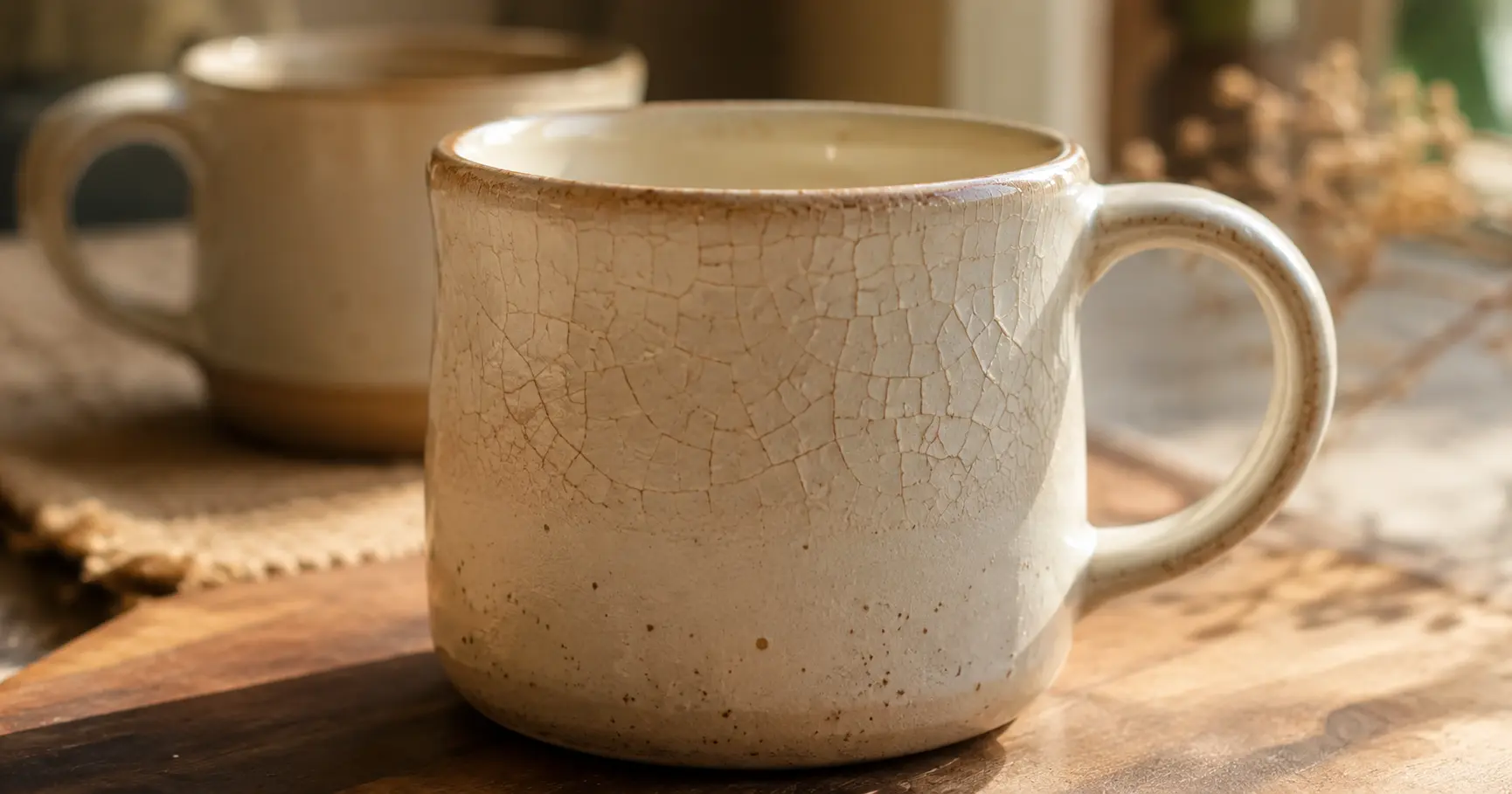
If you’ve ever noticed fine hairline cracks spreading across the surface of a ceramic mug, plate, or bowl, you’ve seen crazing. These tiny crack-like lines can look alarming, but they are one of the most common phenomena in ceramics.
Quick Answer
Crazing occurs when the ceramic body and the glaze expand and contract at different rates during heating and cooling. This difference creates stress within the glaze, causing a network of fine hairline cracks to form over time. In most cases, crazing affects only the glaze surface and not the structural integrity of the ceramic itself.
Table of Contents
What Is Crazing in Ceramics?
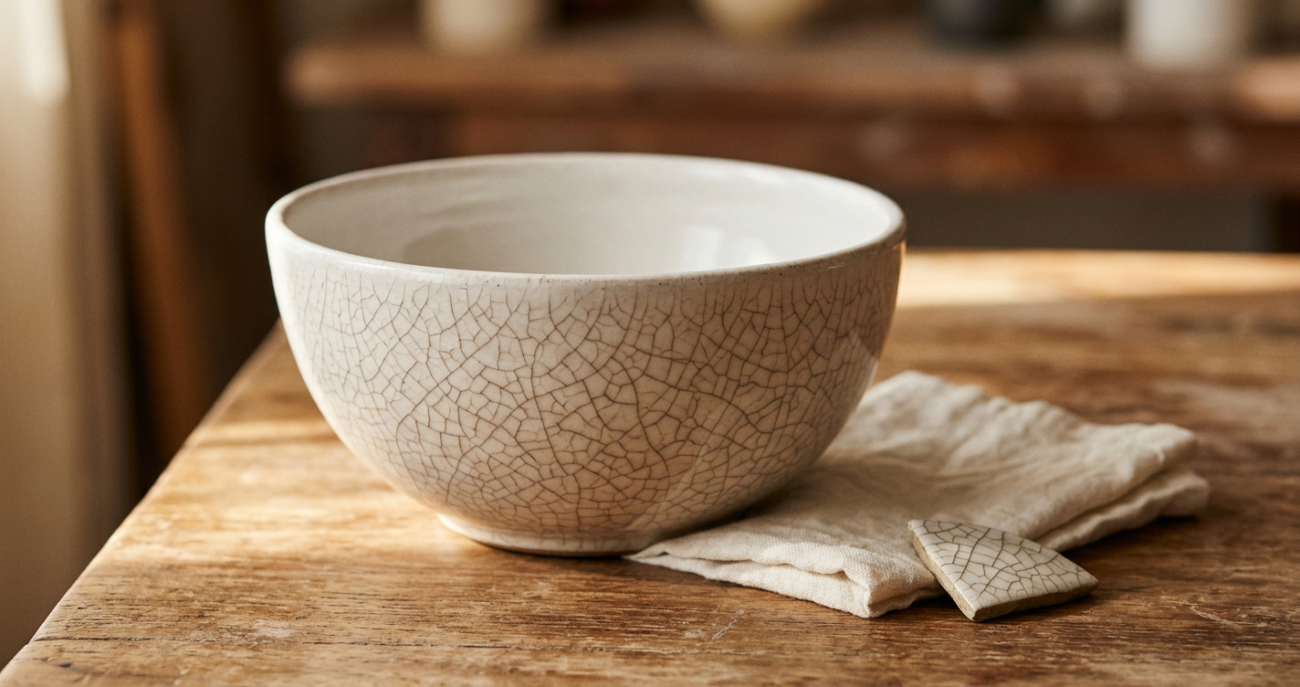
Crazing is a network of very fine cracks that appears in the glazed surface of ceramics. It is different from a structural crack, which goes through the ceramic body itself.
Crazing happens in the glaze layer — the glass-like coating that gives ceramics their smooth, shiny finish.
What Causes Crazing?
The main cause of crazing is a mismatch between the glaze and the ceramic body.
During firing, both materials expand as they heat up and contract as they cool down. Ideally, they should shrink at compatible rates.
When the glaze contracts more than the ceramic body, it is put under tension. Because glaze behaves like thin glass, it cannot stretch much, so it forms tiny cracks to relieve the stress.
That network of cracks is crazing. Crazing is usually caused by differences between the glaze and ceramic body, but some readers are also concerned about the safety of ceramic glazes themselves. Read Are Ceramic Mugs Toxic? to learn about lead, cadmium, and food-safe ceramics.
A Simple Example
Imagine two friends holding hands while running. One wants to run faster than the other. Eventually, their hands begin to pull against each other.
The same thing happens between the glaze and the ceramic body. When they expand and contract at different speeds, tension builds up in the glaze until tiny cracks appear.
Why Do the Glaze and Ceramic Body Expand Differently?
Ceramics are made from different materials.
The ceramic body forms the structure underneath, while the glaze creates the smooth, glass-like surface.
Each material has its own thermal expansion rate, which describes how much it expands and contracts when temperatures change.
If the glaze’s expansion rate does not match the clay body’s expansion rate, stress develops during cooling after firing.
This is why glaze formulation and clay selection are so important in ceramic manufacturing.
Can Crazing Develop Years Later?
Yes.
A ceramic piece may look perfectly normal when it is new and develop crazing months or even years later.
This can happen because of:
- Repeated heating and cooling cycles
- Dishwasher use
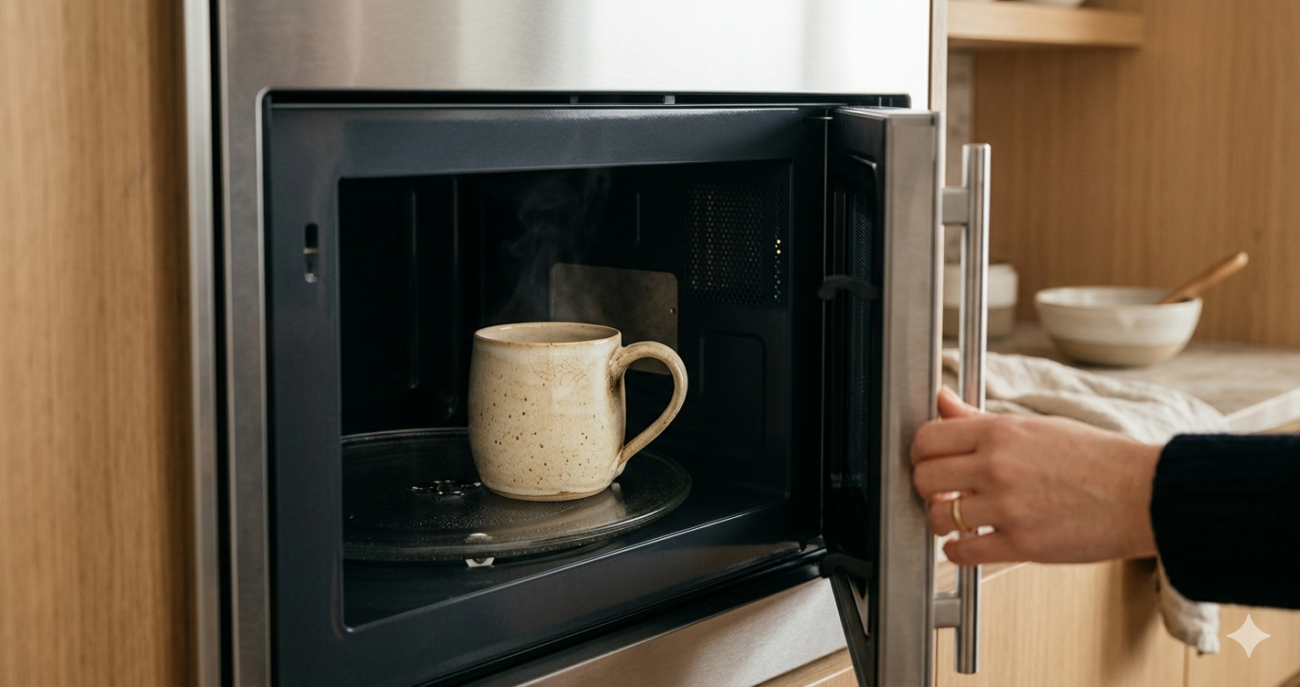
- Pouring very hot liquids into a cold mug
- Environmental temperature changes
- Gradual stress accumulation in the glaze
This is why an older mug may suddenly show crazing even though it appeared perfect when new.
Does Handmade Pottery Craze More Often?
Not necessarily.
Both handmade pottery and factory-made ceramics can develop crazing.
The important factor is whether the glaze and clay body are properly matched.
Experienced ceramic artists carefully test their glaze recipes, but slight variations in materials and firing conditions can still make crazing possible.
Can Crazing Be Prevented?
Crazing cannot always be prevented completely, but the risk can be reduced.
For ceramic makers:
- Use glazes designed for the clay body
- Test glaze fit before production
- Control firing temperatures carefully
For ceramic users:
- Avoid sudden temperature changes
- Avoid pouring boiling liquid into an ice-cold mug
- Follow the maker’s care instructions
- Handle older ceramics with care
Does Crazing Mean Poor Quality?
Not always.
In some cases, crazing may indicate a glaze fit issue.
In other cases, it develops gradually after years of normal use.
Some ceramic styles intentionally feature crackle glazes, where crazing is created as a decorative effect.
The presence of crazing alone does not automatically mean a ceramic piece is poorly made.
When Should You Be Concerned About Crazing?
Light crazing is often cosmetic.
However, you may want to be more cautious if:
- The crazing is extensive
- The cracks are heavily stained
- The ceramic is very old
- The glaze is flaking
- There are structural cracks in the ceramic body
In these situations, replacing the item may be the safest option.
What Do Ceramics Experts Say?
Ceramics experts have long explained crazing as the result of a mismatch between the thermal expansion of the glaze and the ceramic body.
According to The Potter’s Dictionary of Materials and Techniques by Frank and Janet Hamer, crazing occurs when the glaze is placed under tensile stress because its expansion characteristics differ from those of the ceramic body beneath it.
Frequently Asked Questions
What causes crazing in ceramics?
Crazing is caused by differences in the expansion and contraction rates of the glaze and ceramic body, creating tension in the glaze.
Why does ceramic glaze crack?
Ceramic glaze cracks when internal stress exceeds the glaze’s ability to stretch, causing fine cracks to form.
Can crazing appear years later?
Yes. Repeated heating, cooling, and everyday use can cause crazing to develop gradually over time.
Is crazing more common in handmade pottery?
No. Both handmade and factory-made ceramics can develop crazing if the glaze and clay body are not perfectly matched.
Can crazing be repaired?
Crazing is usually permanent. While decorative restoration methods exist, the tiny cracks themselves generally cannot be removed.
Does crazing mean the ceramic is defective?
Not necessarily. Mild crazing is often cosmetic and may not affect the functionality of the ceramic piece.
Interested in artisan pottery? Browse ArtyCera’s collection of handmade ceramic mugs and drinkware designed for everyday use.
Related Reads
What Is Crazing in Ceramic Glaze?
Learn what crazing is, how to identify it, and why it appears on ceramic mugs and pottery.
Is It Safe to Use a Mug With Crazing?
Discover whether crazed mugs are safe to drink from and when replacement may be advisable.
Is Your Ceramic Mug Safe? The Ultimate Guide to Quality and Craftsmanship
Explore how glaze quality, firing standards, and craftsmanship affect ceramic mug safety.
Final Thoughts
Crazing is one of the most common and misunderstood features in ceramics. Those tiny hairline cracks are usually the result of stress in the glaze caused by differences in how the glaze and ceramic body respond to temperature changes.
Understanding what causes crazing in ceramics can help you care for your pottery, choose quality ceramics, and better understand the science behind these fascinating glaze patterns.











2 thoughts on “What Causes Crazing in Ceramics? Understanding the Science Behind Glaze Cracks”