
Blog
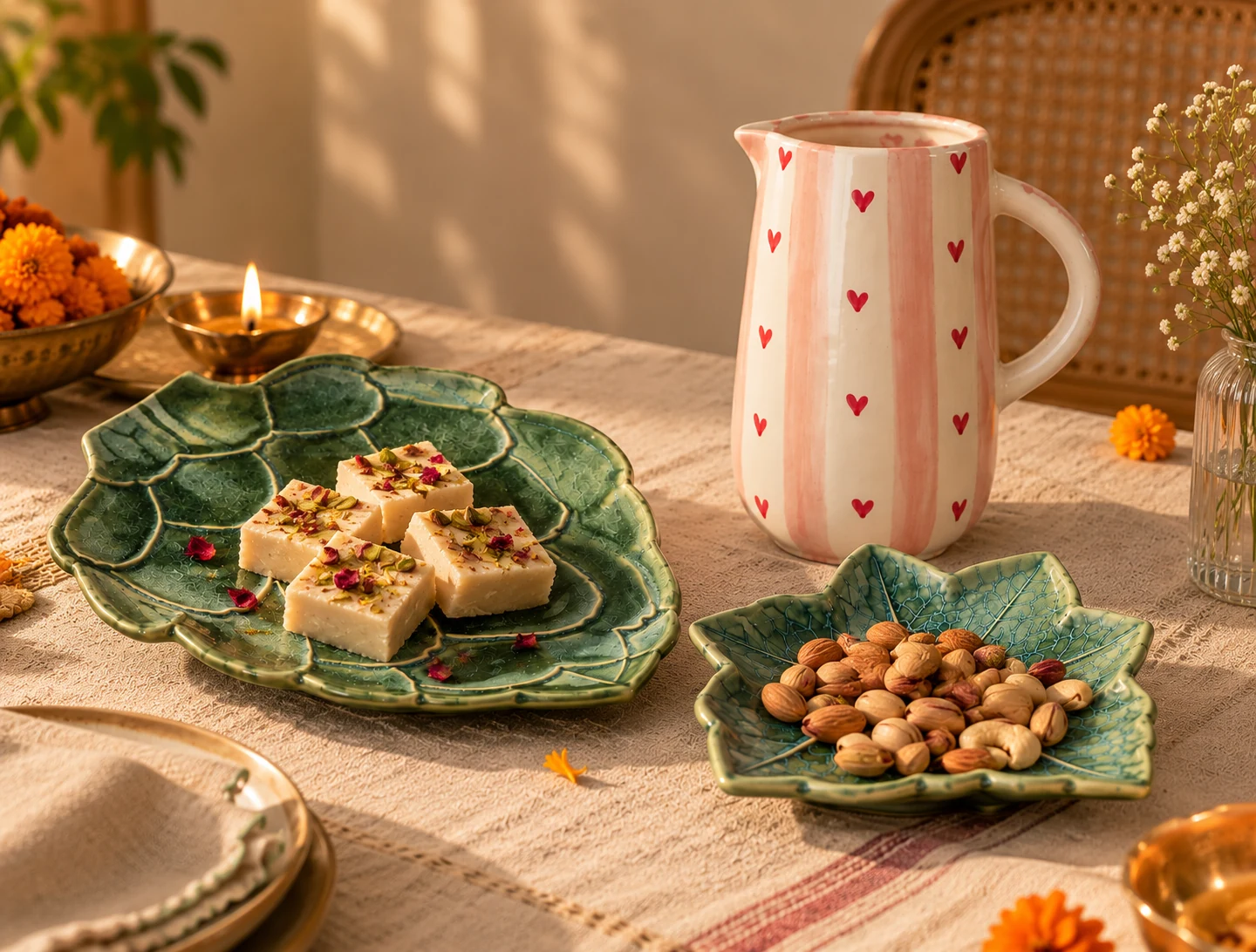
Best Diwali Gift Ideas 2026: Handmade Ceramic Gifts for Home, Family & Friends

Looking for thoughtful Diwali gift ideas in 2026? Discover handmade ceramic gifts for family, friends and the home—from serving platters and tea sets to mugs, bowls and decorative pieces that stay useful long after Diwali.
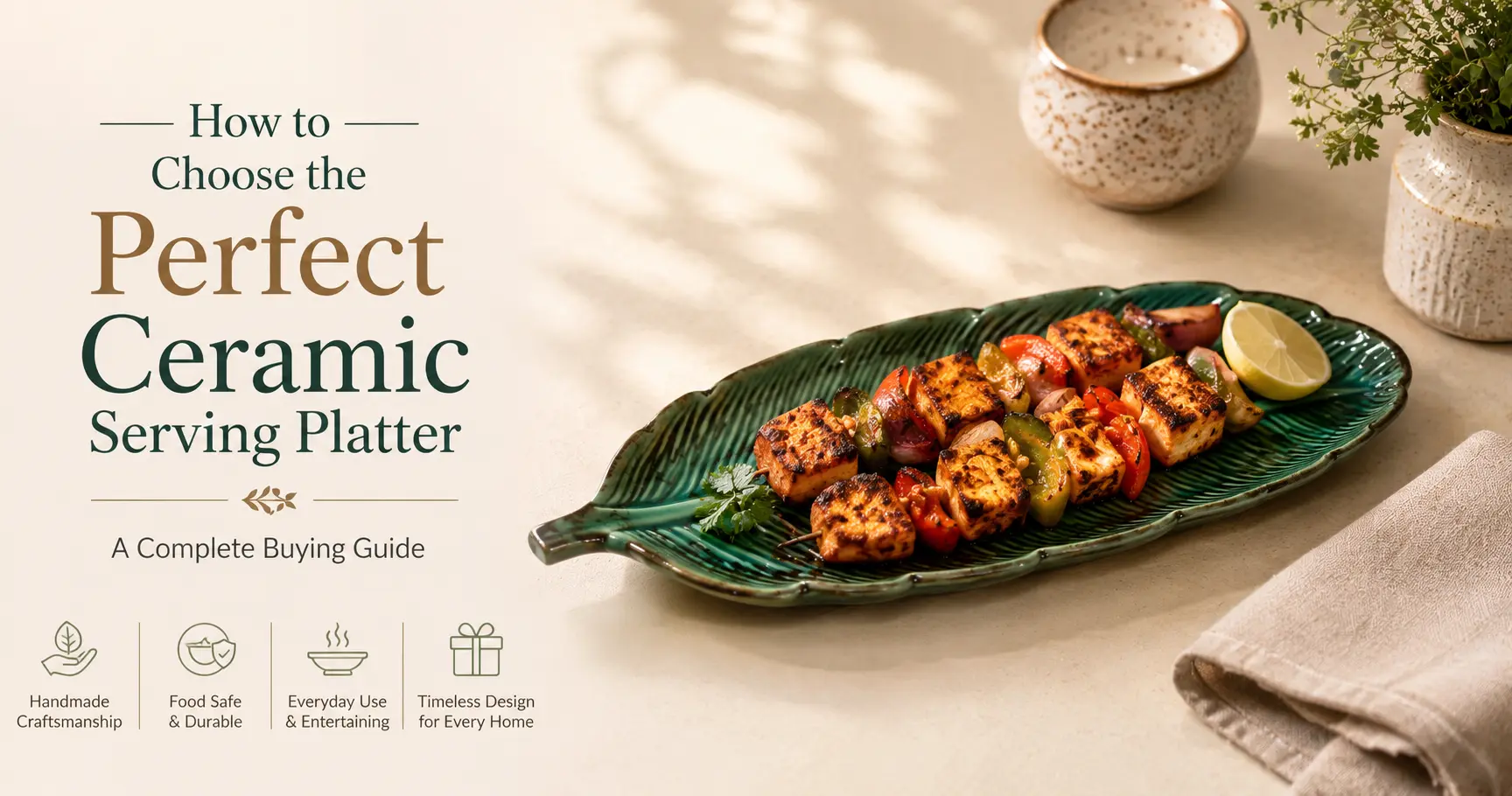
7 Things to Look for When Choosing the Perfect Ceramic Serving Platter
Quick Answer: Choosing the Right Ceramic Serving Platter
A ceramic serving platter is ideal for serving appetisers, snacks, desserts...
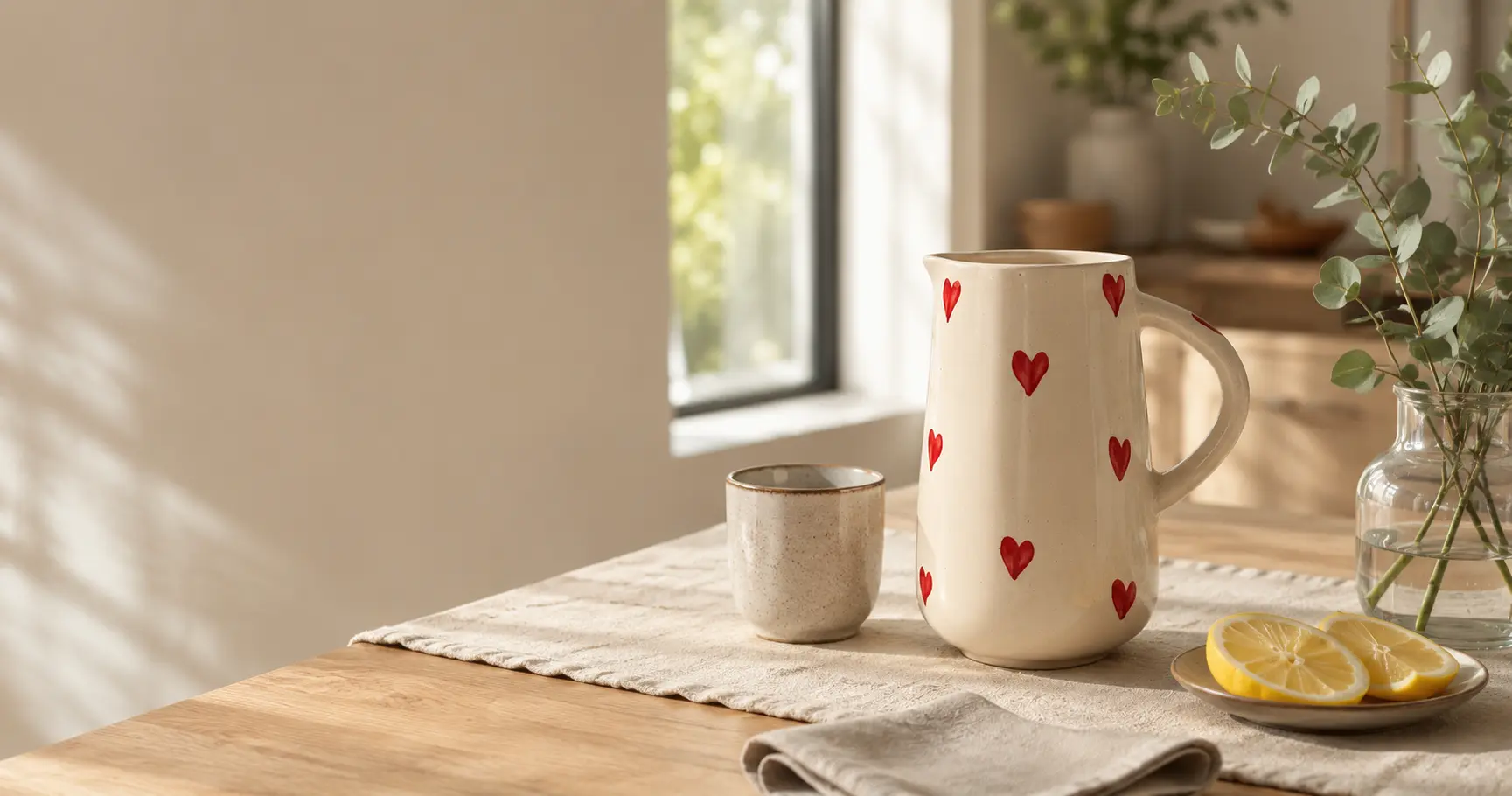
How to Choose the Perfect Ceramic Water Jug for Your Dining Table
Quick Answer: Choosing the Right Ceramic Water Jug
For most households, a 1-litre handmade ceramic water jug is the ideal choice. It...
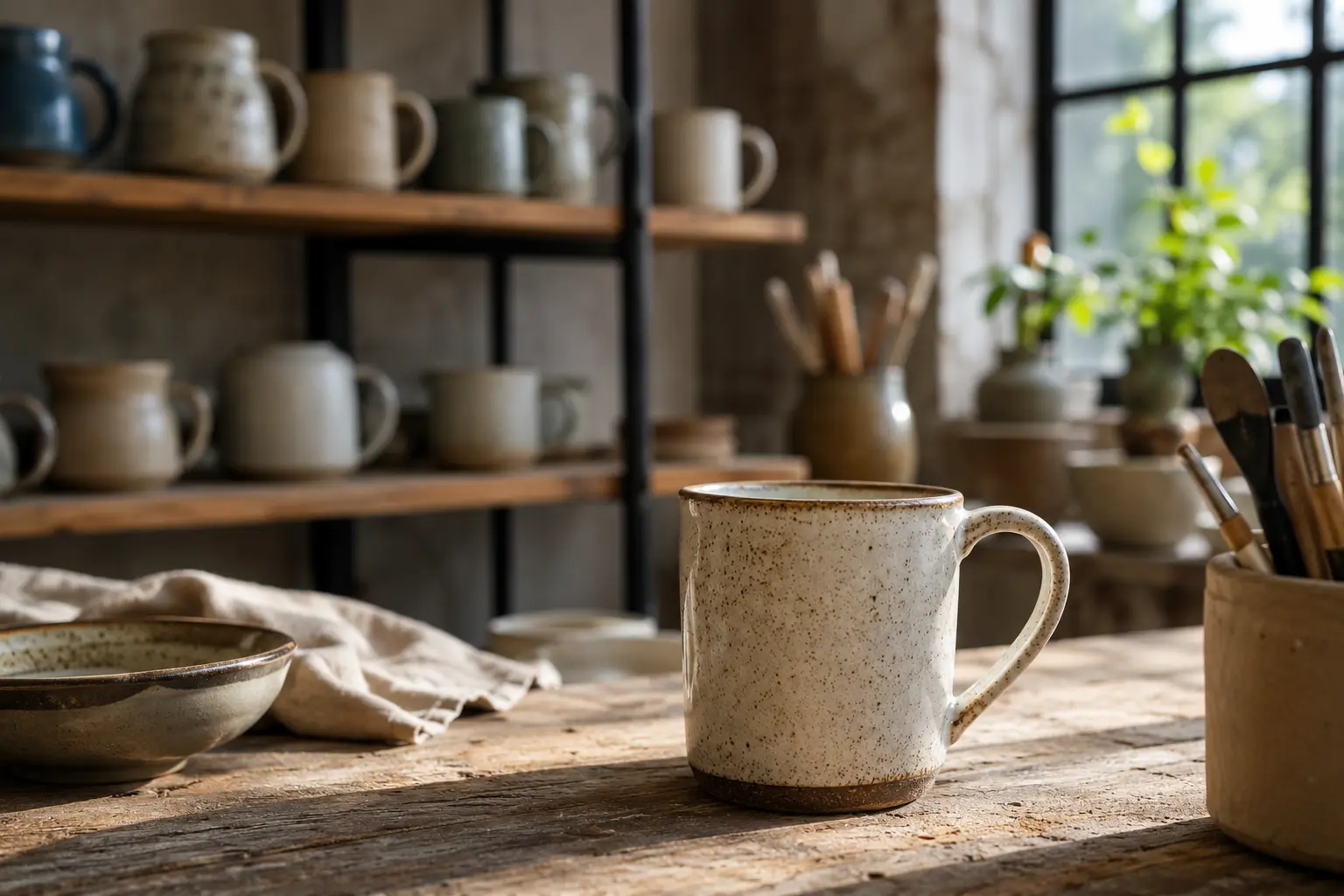
How to Tell If a Mug Contains Lead: Signs, Tests and What You Need to Know
Quick Answer
There is no reliable way to determine whether a ceramic mug contains lead simply by looking at it. Older ceramics, decor...
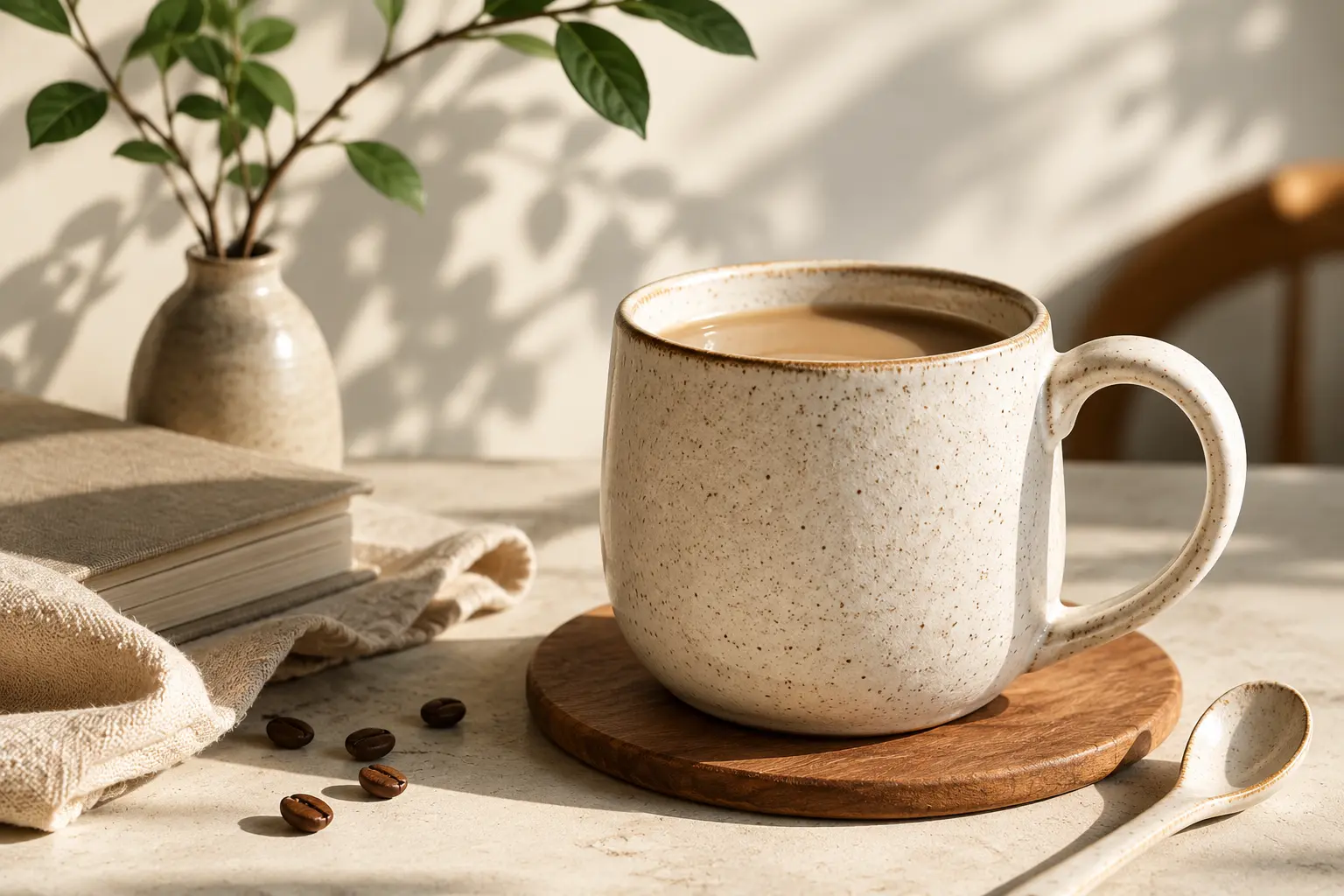
Are Ceramic Mugs Toxic? Understanding Lead, Cadmium and Food Safety
Quick Answer
Most modern ceramic mugs are non-toxic and safe for everyday use. The primary safety concerns involve lead and cadmium i...
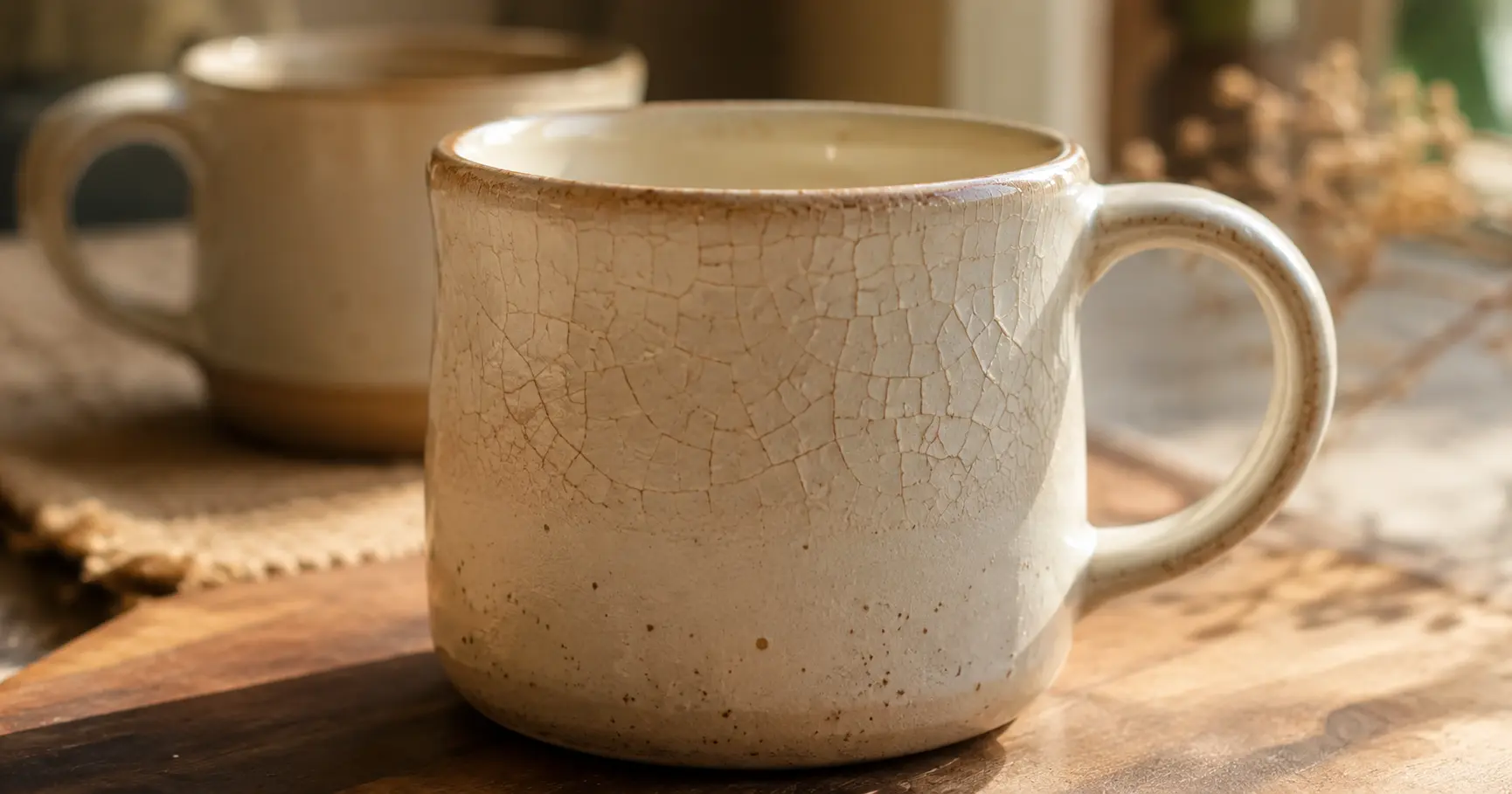
What Causes Crazing in Ceramics? Understanding the Science Behind Glaze Cracks
If you've ever noticed fine hairline cracks spreading across the surface of a ceramic mug, plate, or bowl, you've seen crazing. These t...
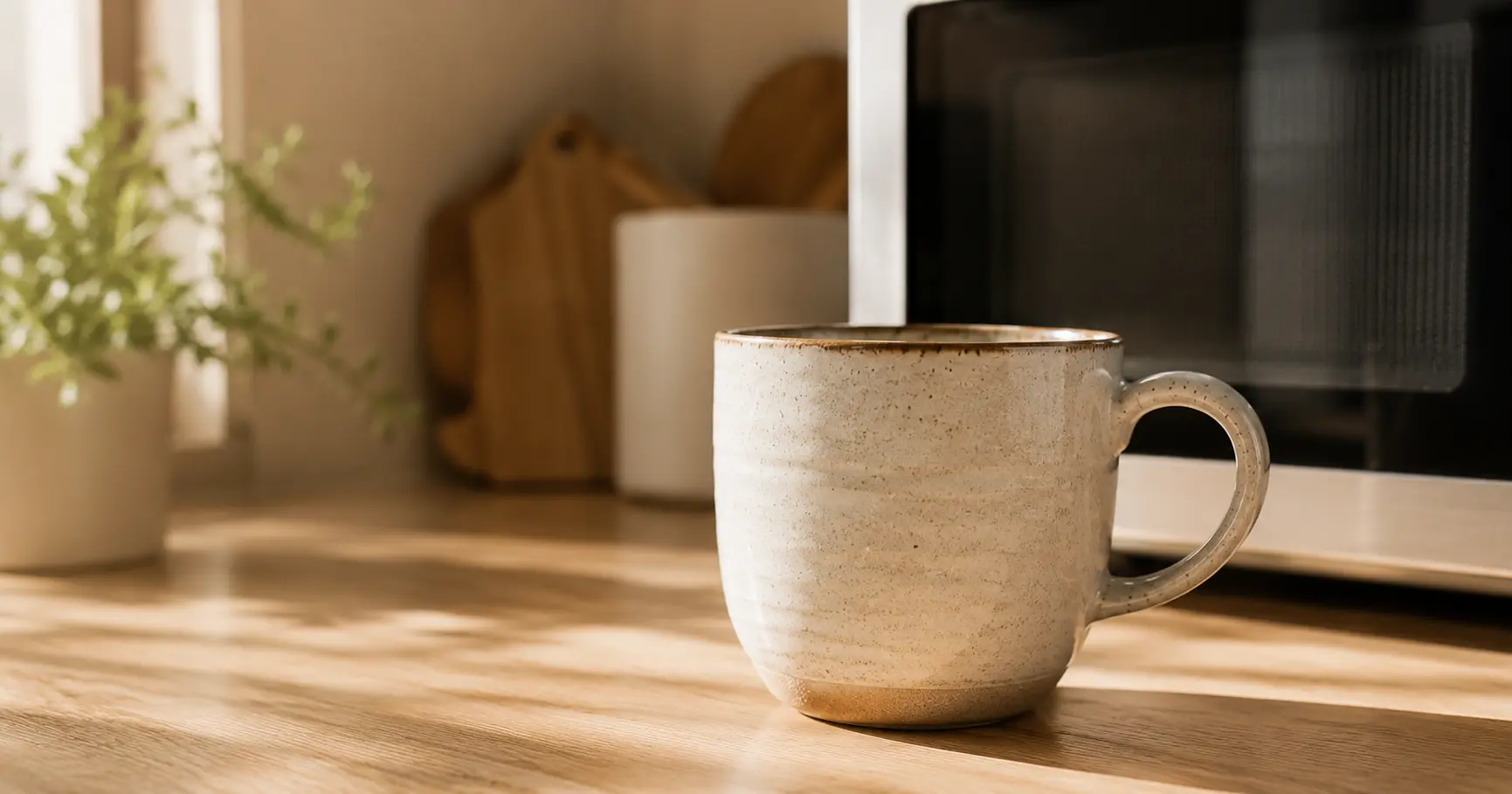
How to Tell If a Mug Is Microwave Safe: A Simple Guide
🔎 Quick Answer
Not all ceramic mugs are microwave safe. The easiest way to tell is to check the manufacturer's instructions or marki...

Is It Safe to Use a Mug With Crazing? What Every Ceramic Lover Should Know
Quick Answer
Yes, a mug with light crazing is generally safe to use. Crazing refers to fine hairline cracks in the glaze rather than ...
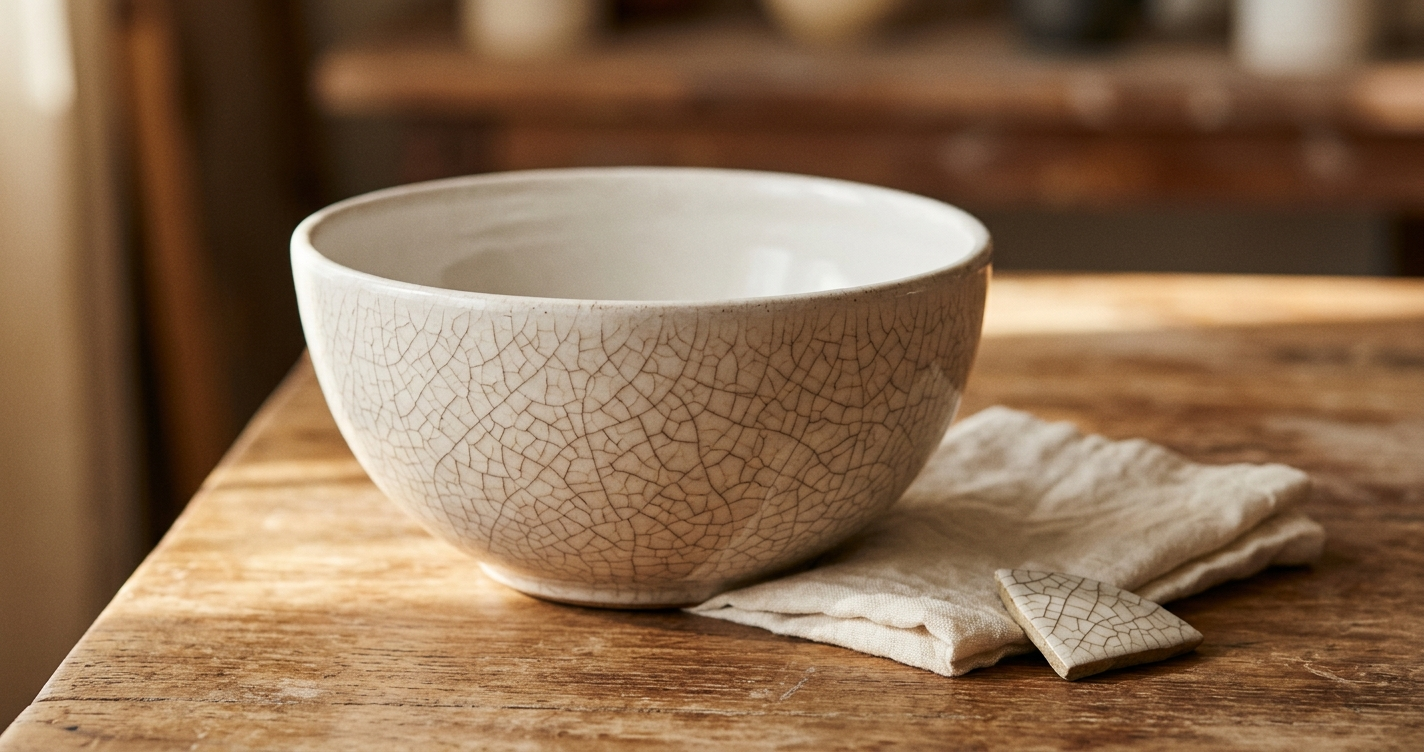
What Is Crazing in Ceramic Glaze? Safety, Causes and What to Do
Quick Answer
Crazing is a network of fine hairline cracks that appears in the glaze surface of a ceramic piece. It happens when the g...
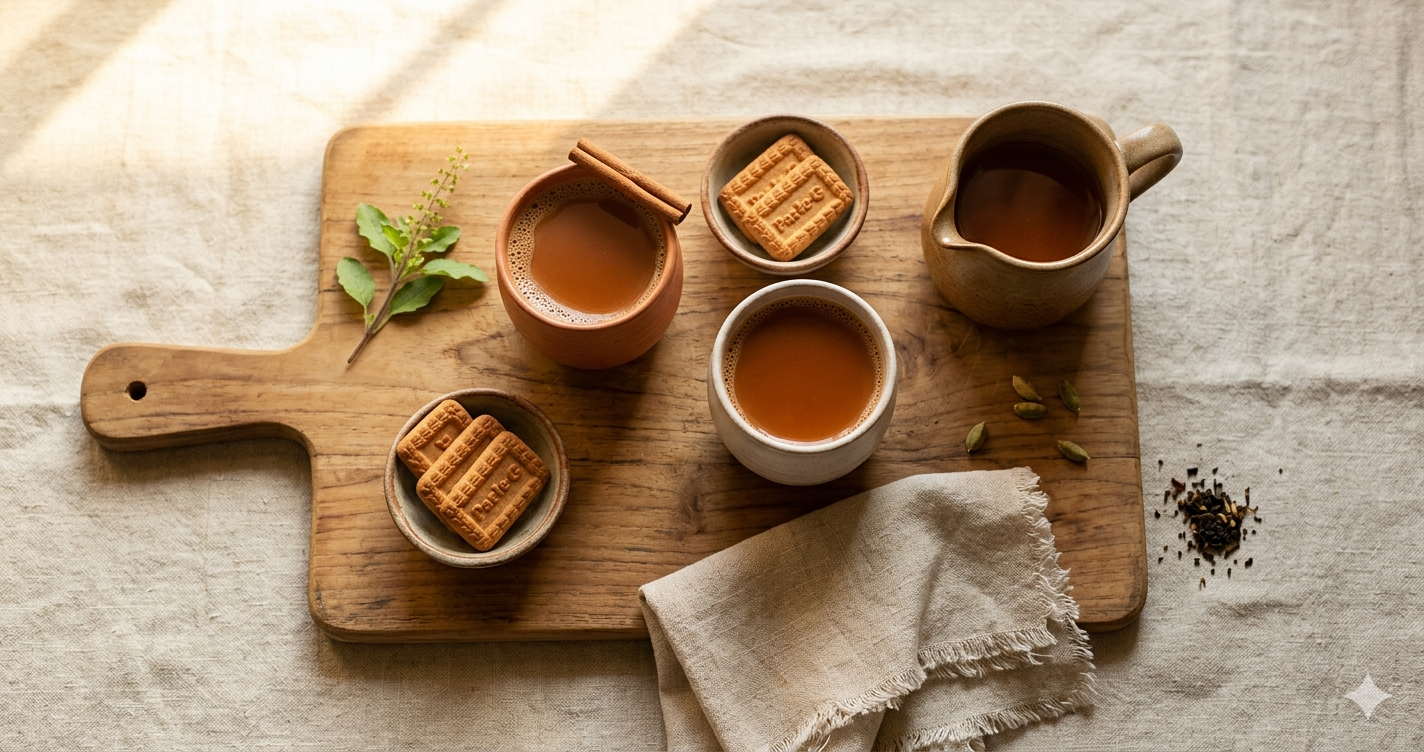
Chai Serving Ideas for Everyday Hosting at Home
Quick Answer
The simplest chai serving idea is also the most impactful: serve chai in a handmade ceramic cup on a small wooden or cer...