
Blog
Are Ceramic Mugs Toxic? Understanding Lead, Cadmium and Food Safety

Quick Answer
Most modern ceramic mugs are non-toxic and safe for everyday use. The primary safety concerns involve lead and cadmium in glazes, particularly in older, imported, decorative, or poorly regulated ceramics. Purchasing food-safe ceramics from reputable manufacturers significantly reduces these risks.
Are ceramic mugs toxic? Ceramic mugs have been used for centuries to serve tea, coffee, and other hot beverages. Yet many people still wonder whether ceramic mugs are truly safe to drink from.
Concerns about lead, cadmium, glazes, and imported ceramics often appear in news reports and online discussions. If you’ve ever searched “Are ceramic mugs toxic?” or “How do I know if my mug contains lead?”, you’re not alone.
The good news is that most modern ceramic mugs from reputable manufacturers are perfectly safe for everyday use. However, there are a few important factors worth understanding before you pour your next cup of coffee.
Table of Contents
Are Ceramic Mugs Toxic?
In most cases, no.
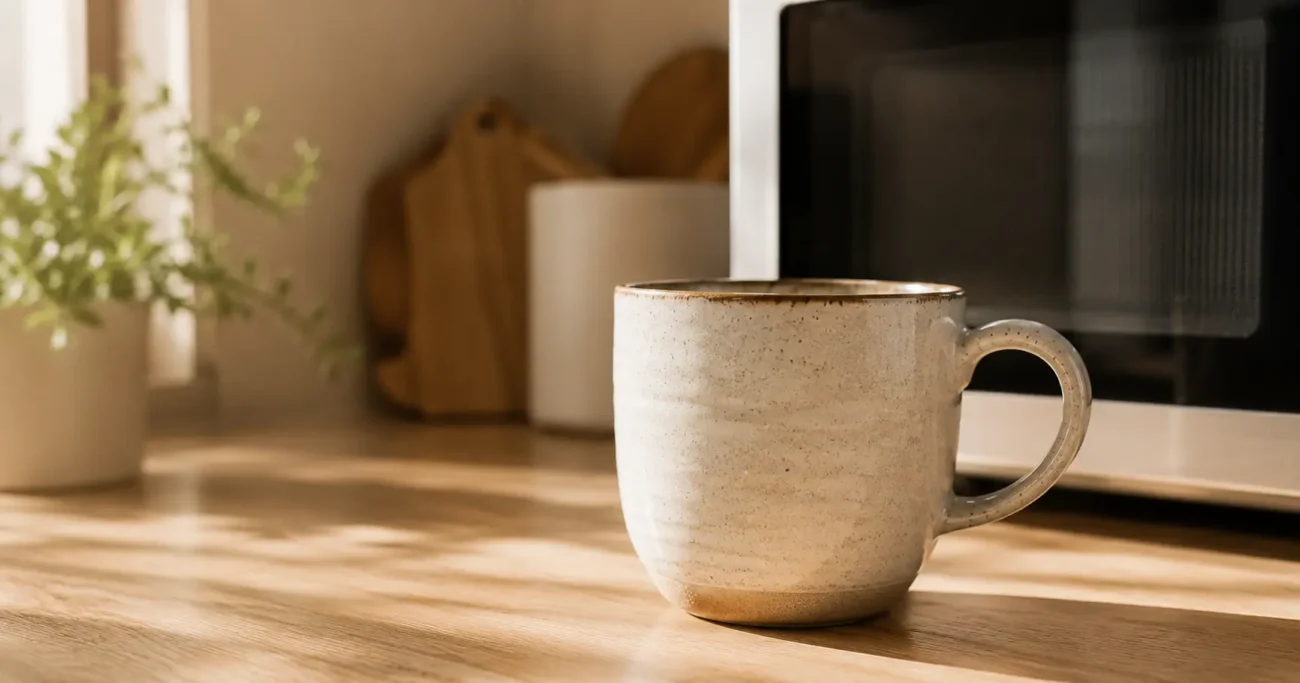
Modern ceramic mugs manufactured for food and beverage use are typically tested to meet safety standards regarding heavy metals and food contact materials.
When people worry about ceramic mug toxicity, they are usually concerned about:
- Lead
- Cadmium
- Poor-quality glazes
- Decorative finishes
- Unknown manufacturing standards
These concerns are not entirely unfounded, but they tend to apply to specific categories of ceramics rather than all ceramic mugs.
Most contemporary mugs sold by reputable brands are designed to be food-safe and suitable for daily use.
What Makes a Ceramic Mug Safe?
A ceramic mug is generally considered safe when:
- It uses food-safe glaze formulations.
- It is properly fired at the correct temperature.
- It complies with relevant food-contact regulations.
- It does not release harmful substances into food or drinks.
The glaze is particularly important because it forms the surface that comes into contact with beverages.
A well-formulated and properly fired glaze creates a stable, glass-like barrier that helps protect both the ceramic and the user.
Can Ceramic Mugs Contain Lead?
Yes, some ceramic mugs can contain lead.
Lead has historically been used in ceramic glazes because it improves gloss, durability, and workability.
Today, lead-containing glazes are heavily regulated in many countries, particularly for products intended to come into contact with food and beverages.
The presence of lead alone is not always the issue.
The real concern is lead leaching.
What Is Lead Leaching?
Lead leaching occurs when lead migrates from the glaze into food or drinks.
This is more likely to happen when:
- The glaze is poorly formulated.
- The ceramic is improperly fired.
- The mug is damaged.
- The mug is very old.
- Acidic beverages are involved.
Modern food-safe ceramics are specifically designed to minimize this risk.
Why Is Lead Exposure a Concern?
Lead is a toxic metal that can accumulate in the body over time.
According to organizations such as the World Health Organization (WHO) and the U.S. Food and Drug Administration (FDA), excessive lead exposure may affect:
- Brain development
- Nervous system function
- Kidney health
- Cardiovascular health
This is why food-contact ceramics are subject to strict testing requirements in many countries.
Can Ceramic Glazes Contain Cadmium?
Cadmium is another heavy metal sometimes associated with ceramic glazes.
Historically, cadmium compounds were used to create bright red, orange, and yellow colors.
Like lead, cadmium becomes a concern when it can migrate from the ceramic surface into food or beverages.
Modern food-contact regulations restrict cadmium release and require manufacturers to meet safety standards.
Most consumers are unlikely to encounter problematic cadmium levels in ceramics purchased from reputable sources.
Are Handmade Ceramic Mugs Safe?
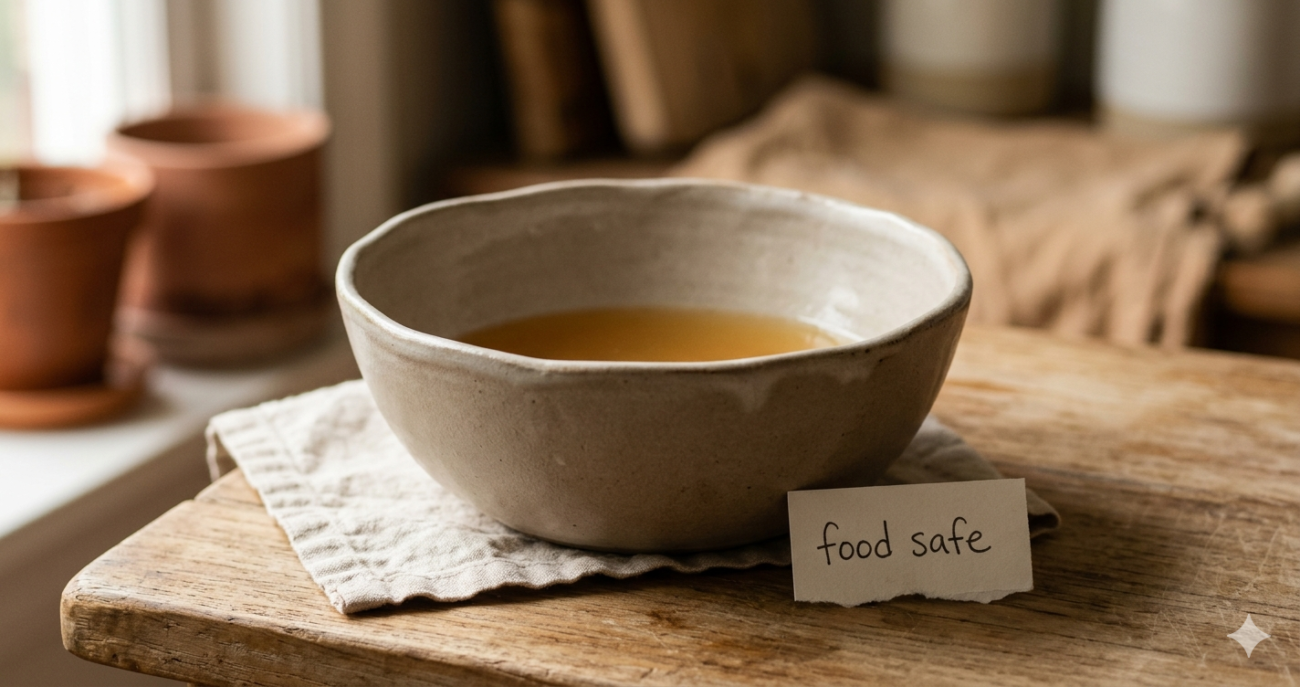
Many handmade ceramic mugs are completely safe.
Professional ceramic artists and pottery studios typically use:
- Food-safe glazes
- Tested firing schedules
- Established ceramic materials
However, handmade pottery varies widely.
When purchasing handmade ceramics, it is worth checking whether the maker states that the piece is:
- Food-safe
- Microwave-safe
- Dishwasher-safe
Reputable ceramic artists are usually transparent about these details.
Are Vintage Ceramic Mugs Safe?
Vintage ceramics require more caution.
Older ceramics were often produced under different manufacturing standards than those used today.
Potential concerns include:
- Lead-containing glazes
- Decorative paints
- Unknown firing processes
- Surface wear and damage
This does not mean all vintage ceramics are unsafe.
However, if a vintage mug will be used regularly for food or drinks, it is wise to research its origin and manufacturing history.
Are Decorative Ceramic Mugs Safe to Drink From?
Not always.
Some decorative ceramics are intended primarily for display rather than food use.
Potential warning signs include:
- Metallic decorations
- Hand-painted decorative interiors
- Imported souvenir mugs with unknown origins
- Lack of food-safe labeling
If a mug was clearly designed as a decorative object rather than drinkware, it may be best used for display purposes.
How to Tell If a Mug Might Be Unsafe
Most mugs are safe, but a few warning signs deserve attention.
The Mug Is Very Old
Older ceramics are more likely to have been manufactured before modern food-safety standards became common.
The Glaze Is Damaged
Watch for:
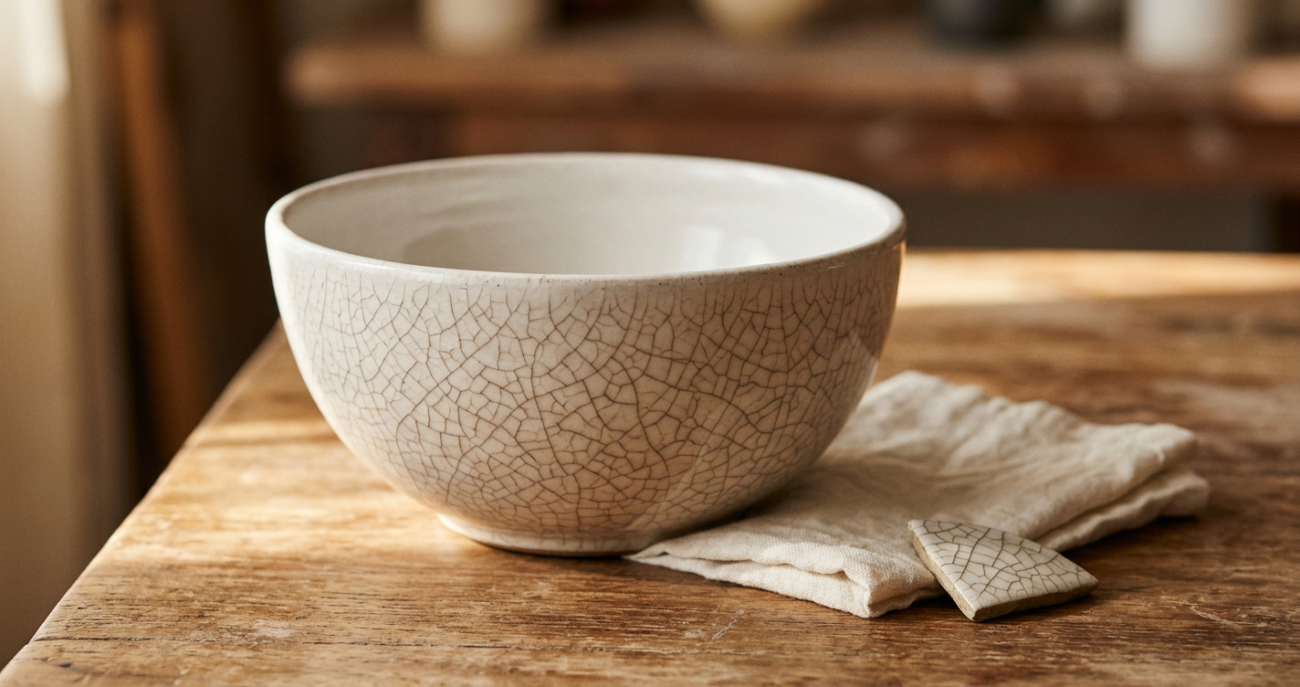
- Flaking glaze
- Chipping
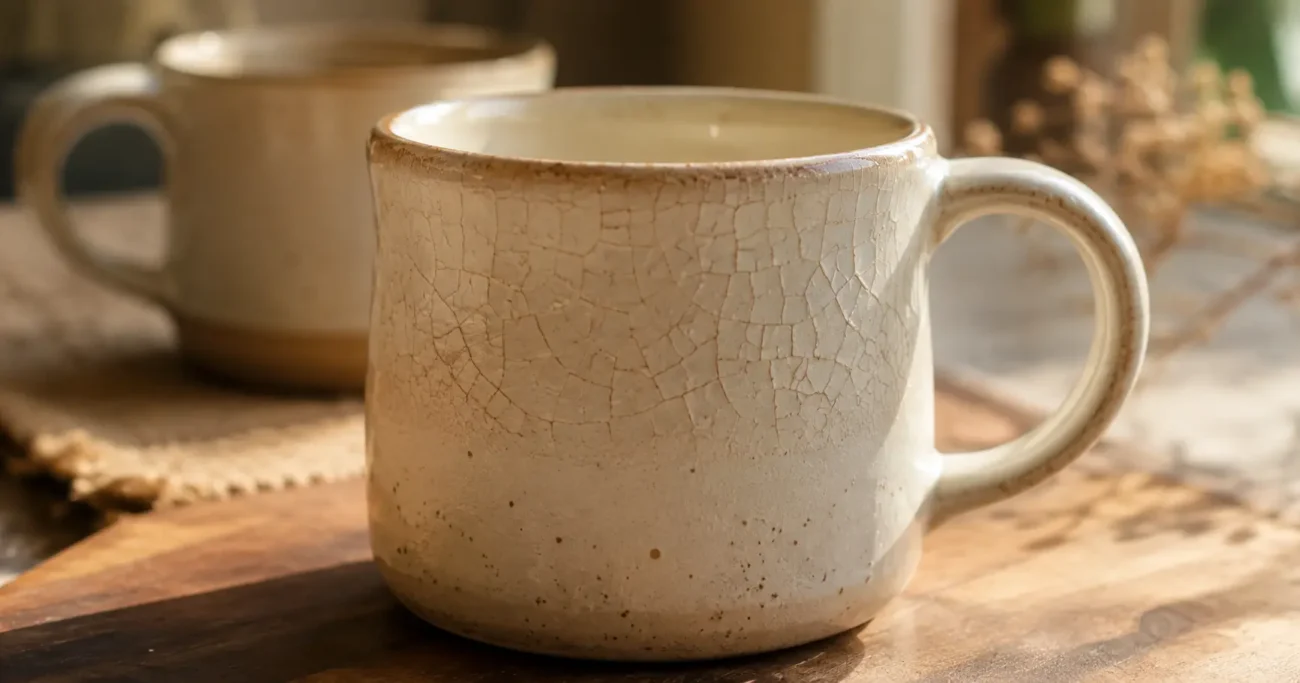
- Severe crazing
- Exposed ceramic surfaces
Damage can affect the integrity of the food-contact surface.
Unknown Origin
Products with no information regarding manufacturer, materials, or safety standards deserve extra caution.
Strong Metallic Decoration
Gold and silver accents are not necessarily toxic, but they often indicate decorative finishes that may require special care.
Does Crazing Affect Toxicity?
Crazing itself does not automatically make a ceramic mug toxic.
However, extensive crazing may create tiny spaces where moisture, stains, and residues can accumulate.
This is one reason why heavily crazed ceramics sometimes raise hygiene concerns.
If you’re unfamiliar with crazing, you may find these guides helpful:
- What Is Crazing in Ceramic Glaze?
- What Causes Crazing in Ceramics?
- Is It Safe to Use a Mug With Crazing?
What Do Food Safety Regulations Require?
Many countries regulate ceramic products intended for food contact.
Manufacturers may be required to test products for:
- Lead release
- Cadmium release
- Food-contact safety
Examples include:
- U.S. FDA requirements
- European Union food-contact regulations
- UK food safety regulations
These standards help ensure that ceramics intended for daily use remain safe for consumers.
Scientific Perspective on Ceramic Safety
Research has shown that the safety of ceramic products depends heavily on glaze composition and manufacturing quality.
A study published in Science of The Total Environment examined lead release from ceramic dinnerware and highlighted the importance of properly formulated and fired glazes in reducing potential exposure risks.
The findings reinforce a simple principle:
Well-made ceramics using food-safe materials are generally safe, while poorly manufactured products pose greater concerns. If you’re planning to buy new serveware instead of replacing older pieces, our Ceramic Serving Platter Buying Guide will help you choose a durable handcrafted platter.
Frequently Asked Questions
Are ceramic mugs toxic?
Most modern ceramic mugs are not toxic and are safe for everyday use when manufactured according to food-safety standards.
Can ceramic mugs contain lead?
Some ceramic glazes may contain lead, but modern food-safe ceramics are designed to prevent harmful lead release.
How do I know if my mug contains lead?
The only reliable method is laboratory testing. However, reputable manufacturers usually provide information regarding food safety and compliance.
Are handmade ceramic mugs safe?
Many handmade ceramic mugs are completely safe when made using food-safe glazes and proper firing techniques.
Are ceramic mugs safer than plastic mugs?
Ceramic mugs are often preferred because they do not contain many of the additives commonly associated with some plastics.
Are porcelain mugs safe?
Yes. Porcelain is generally considered one of the safest and most durable materials for drinkware.
Are stoneware mugs safe?
Stoneware mugs are typically safe, durable, and widely used for everyday food and beverage applications.
Related Reads
Is Your Ceramic Mug Safe? The Ultimate Guide to Quality and Craftsmanship
Learn how materials, glazes, and manufacturing standards influence ceramic mug safety.
How to Tell If a Mug Is Microwave Safe
Discover simple ways to determine whether a ceramic mug can safely be used in the microwave.
Is It Safe to Use a Mug With Crazing?
Explore whether crazing affects the safety and usability of ceramic mugs.
Explore Handmade Ceramic Drinkware
If you’re looking for thoughtfully crafted ceramic mugs and cups, explore our collection of handmade ceramic drinkware designed for everyday use and finished with food-safe glazes.
Final Thoughts
Most ceramic mugs are not toxic. The key factors that determine safety are the quality of the glaze, the manufacturing process, and compliance with food-safety standards.
By purchasing ceramics from reputable manufacturers and paying attention to signs of damage or poor-quality construction, you can enjoy ceramic drinkware with confidence for years to come. Looking for a broader overview of ceramic drinkware safety? Our complete guide to ceramic mug safety covers craftsmanship, glaze quality, microwave use, crazing, and everyday care.
References
- World Health Organization (WHO) – Lead Poisoning and Health
- U.S. Food and Drug Administration (FDA) – Lead in Food, Foodwares and Dietary Supplements
- Bleecker ML, Jones HE. Effect of microwave heating on leaching of lead from old ceramic dinnerware. Science of The Total Environment. 1996.
- Hamer F, Hamer J. The Potter’s Dictionary of Materials and Techniques.




7 thoughts on “Are Ceramic Mugs Toxic? Understanding Lead, Cadmium and Food Safety”