
Blog
How to Tell If a Mug Contains Lead: Signs, Tests and What You Need to Know


Quick Answer
There is no reliable way to determine whether a ceramic mug contains lead simply by looking at it. Older ceramics, decorative pottery, and products from unknown manufacturers may carry a higher risk. The most reliable way to assess safety is to buy food-safe ceramics from reputable makers or use professional laboratory testing when certainty is required.
Many people wonder how to tell if a mug contains lead, especially when using vintage pottery, handmade ceramics, or older ceramic drinkware. Ceramic mugs have been used for centuries to serve tea, coffee, and other hot beverages. Yet many people still wonder whether their favorite mug could contain lead.
This concern is especially common when using vintage pottery, handmade ceramics, inherited tea sets, or imported mugs with unknown origins.
While lead has historically been used in some ceramic glazes, modern food-contact ceramics are subject to strict safety regulations in many countries. Understanding the difference between lead content and lead leaching can help consumers make informed decisions about ceramic safety.
In this guide, we’ll explain how to identify potential warning signs, whether home lead test kits work, what food-safety authorities say, and when you should consider replacing an older mug.
Table of Contents
Why Was Lead Used in Ceramic Glazes?
Historically, lead compounds were added to ceramic glazes because they offered several advantages.
Lead-based glazes could:
- Create a smooth, glossy finish
- Improve color vibrancy
- Lower firing temperatures
- Increase durability of decorative finishes
For centuries, lead was widely used in pottery and ceramic production around the world.
The problem is not necessarily that lead exists within a glaze. The concern arises when lead migrates from the glaze into food or beverages, a process known as lead leaching.
Because of this risk, many countries now regulate ceramics intended for food contact.
Can You Tell If a Mug Contains Lead Just by Looking at It?
Unfortunately, no.
Lead is invisible.
A mug may look perfectly normal while containing lead in its glaze. Likewise, a brightly colored or decorative mug may be completely safe if it was manufactured using food-safe materials and proper firing techniques.
There is no visual characteristic that can reliably confirm whether a mug contains lead.
This means:
- Color alone is not a reliable indicator.
- Decorative patterns do not automatically mean a mug contains lead.
- Plain white mugs are not automatically safer.
- Handmade mugs are not automatically riskier.
Visual inspection can sometimes identify potential warning signs, but it cannot confirm lead content.
Signs That May Indicate Higher Risk
Although appearance cannot prove that a mug contains lead, certain characteristics may justify additional caution.
Very Old Ceramic Mugs
Vintage ceramics were often produced before modern food-safety regulations became common.
Manufacturing standards varied significantly across regions and time periods.
Many older ceramic products remain perfectly safe, but their safety is often harder to verify.
Imported Products With Unknown Origins
Products that provide little information about their manufacturer, production standards, or intended use may carry greater uncertainty.
This does not automatically mean they contain lead. It simply makes independent verification more difficult.
Decorative Ceramics
Ceramics designed primarily for decoration may not always be manufactured to food-contact standards.
Souvenir mugs, ornamental pottery, decorative cups, and collectible ceramics should be used carefully if their intended purpose is unclear.
Damaged Glaze
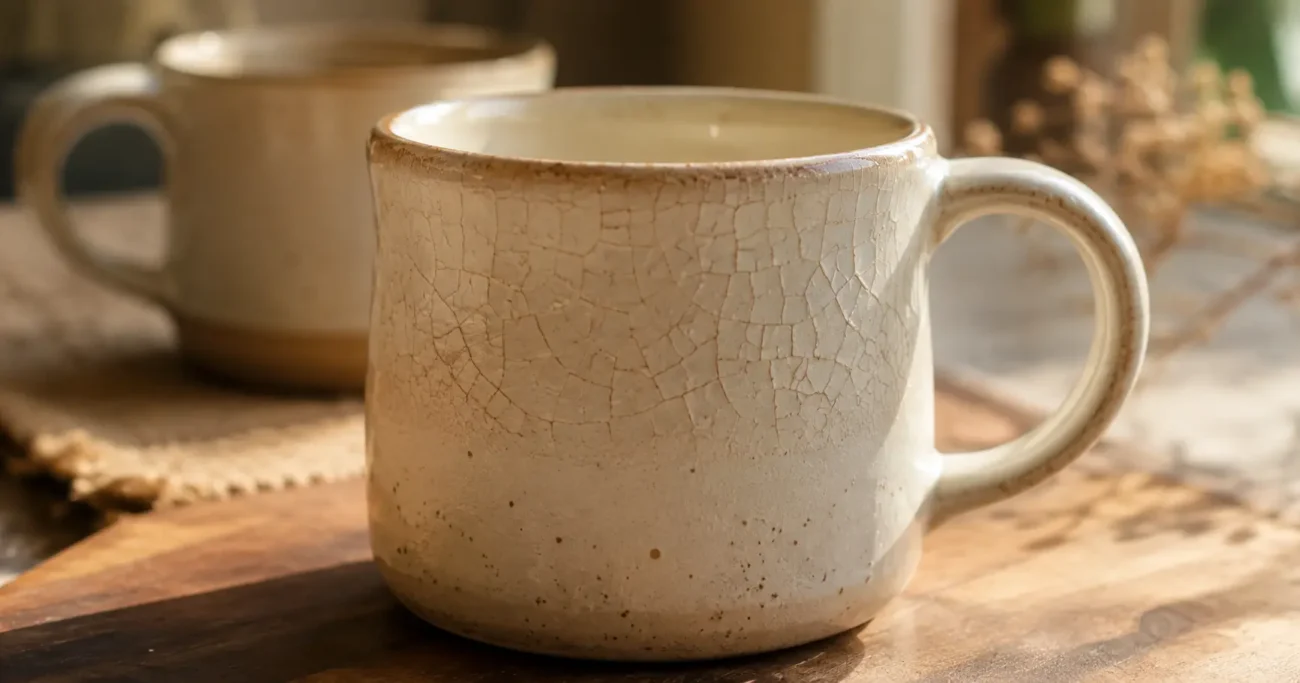
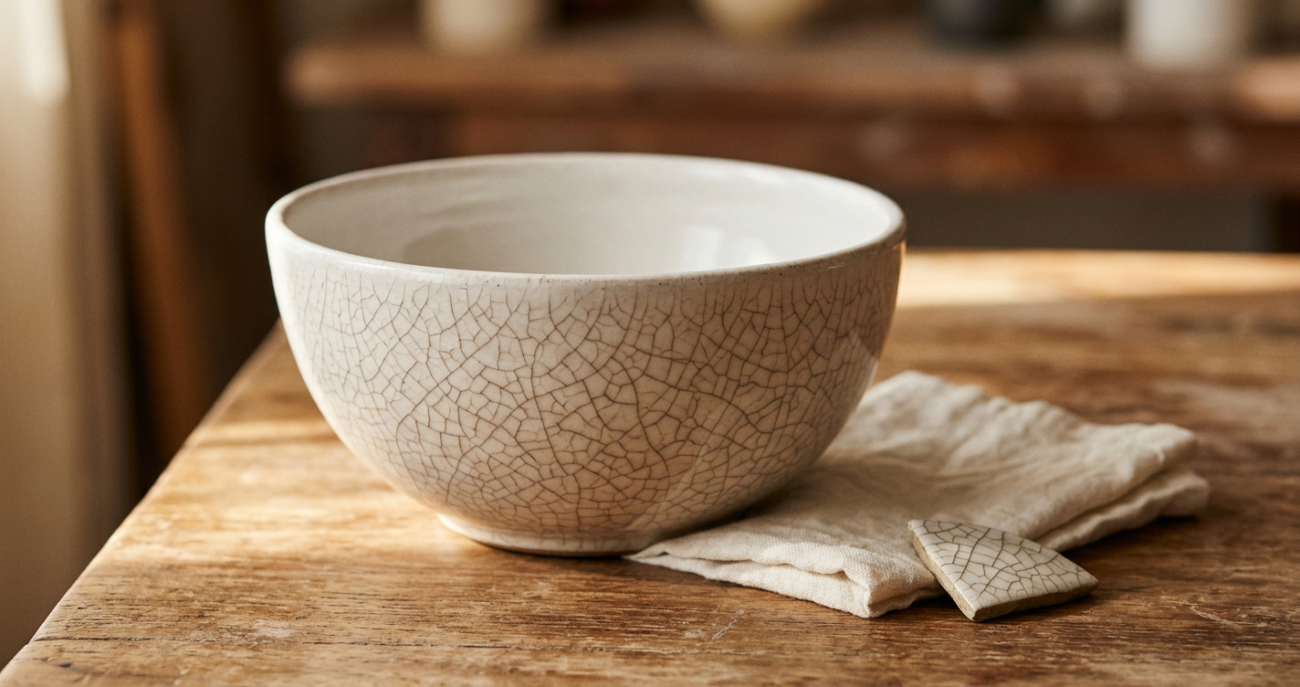
Chipped, cracked, or heavily worn glaze can raise concerns about long-term ceramic safety.
If you’re unsure whether cracked ceramics remain safe to use, read our guide on Is It Safe to Use a Mug With Crazing?
Can White Ceramic Mugs Contain Lead?
Many people assume white ceramic mugs are automatically safer than colorful ones.
This is a common misconception.
The presence of lead depends on the glaze formulation and manufacturing process rather than the visible color of the mug.
A plain white mug may be completely safe.
A colorful mug may also be completely safe.
Likewise, either could potentially contain lead if produced using unsafe materials or manufacturing methods.
Instead of focusing on color, consumers should consider:
- Manufacturer reputation
- Product certifications
- Intended use
- Age of the ceramic
- Overall condition of the glaze
For a broader overview of ceramic safety, see our guide on Is Your Ceramic Mug Safe? The Ultimate Guide to Quality and Craftsmanship.
Do Lead Test Kits Work?
Lead test kits are widely available and are often marketed as an easy way to test household items.
They can sometimes provide useful information, but they have limitations.
Potential issues include:
- False positives
- False negatives
- Surface contamination affecting results
- Inability to measure actual lead leaching
Lead test kits may be useful as a preliminary screening tool, but they should not be considered definitive proof of safety or danger.
Laboratory testing remains the most accurate method.
What Is Lead Leaching?
The primary concern with ceramics is not simply whether lead exists within a glaze.
The concern is whether lead can migrate into food or beverages.
This process is called lead leaching.
Factors that may influence leaching include:
- Glaze composition
- Manufacturing quality
- Firing temperature
- Surface wear
- Acidity of foods and beverages
Properly formulated food-safe glazes are designed to minimize this risk.
This is why modern ceramic safety standards focus on migration limits rather than simply whether lead is present.
Can Lead Leach Into Tea or Coffee?
Hot beverages such as tea and coffee are often the reason people worry about ceramic safety.
In poorly manufactured ceramics, acidic drinks and repeated use may increase the possibility of metal migration.
However, reputable manufacturers design food-contact ceramics specifically to withstand normal beverage use.
For most consumers using modern food-safe ceramics, tea and coffee do not present a significant concern.
The greater uncertainty usually involves very old ceramics, decorative pottery, or products with unknown manufacturing standards.
Lead vs Cadmium: What’s the Difference?
Lead is not the only substance discussed in ceramic safety.
Cadmium has also historically been used in some ceramic glazes and decorative finishes.
Like lead, cadmium is regulated because excessive exposure may pose health concerns.
The key issue remains the same:
Can the substance migrate from the ceramic surface into food or beverages?
For a more detailed discussion of ceramic safety, food-safe glazes, lead, and cadmium, read our guide on Are Ceramic Mugs Toxic? Understanding Lead, Cadmium and Food-Safe Ceramics.
Are Handmade Ceramic Mugs Safe?
Many consumers worry that handmade ceramics may be less safe than factory-made products.
In reality, safety depends on the materials and manufacturing methods used.
Professional ceramic artists commonly use:
- Food-safe glazes
- Tested raw materials
- Controlled firing schedules
- Established ceramic safety practices
Many handmade ceramic mugs are perfectly suitable for everyday tea and coffee use.
The important factor is whether the maker identifies the product as food-safe.
Is There a Difference Between Handmade and Factory-Made Ceramics?
Not necessarily.
Both handmade and factory-made ceramics can be safe when produced using appropriate materials and manufacturing standards.
The most important factors include:
- Glaze quality
- Firing quality
- Material quality
- Food-safe intended use
- Manufacturer transparency
Whether a mug is handmade or factory-made is generally less important than whether it was designed and tested for food contact.
What Do Food Safety Authorities Say?
Food-contact ceramics are regulated in many parts of the world.
For example, the U.S. Food and Drug Administration (FDA) establishes limits for lead and cadmium release from ceramicware intended for food use.
Similarly, food-contact regulations exist throughout Europe and many other jurisdictions.
These regulations focus on migration limits and consumer safety rather than simply the presence of specific materials.
This approach recognizes that manufacturing quality and firing conditions play a critical role in determining ceramic safety.
Should You Throw Away an Old Mug?
Not necessarily.
Many older mugs remain perfectly usable.
However, additional caution may be worthwhile if a mug:
- Has unknown origins
- Shows significant glaze wear
- Contains chips or deep cracks
- Was produced before modern food-safety standards became common
- Was intended primarily for decoration
Collectors often choose to display particularly old or decorative ceramics rather than use them for daily food and beverage service.
How to Reduce Risk
If you’re uncertain about a mug’s safety, consider the following steps:
Buy From Reputable Sources
Choose ceramics from manufacturers and makers who clearly identify their products as food-safe.
Avoid Heavily Damaged Ceramics
Deep cracks, chips, severe crazing, and damaged glaze may affect hygiene and durability.
Follow Manufacturer Instructions
Pay attention to microwave, dishwasher, and food-safety guidance.
Replace Severely Worn Drinkware
If a mug shows significant structural damage, replacement is often the safest option.
Explore Food-Safe Ceramic Drinkware
Looking for ceramics designed for everyday use? Browse our collection of handmade ceramic mugs and drinkware, ceramic bowls, and ceramic jugs and pitchers crafted for daily dining and serving.
Frequently Asked Questions
How do I know if my mug contains lead?
There is no reliable visual method. Laboratory testing is the most accurate way to determine whether a mug contains lead.
Do lead test kits work?
They may provide a preliminary indication, but they cannot reliably measure lead leaching or guarantee safety.
Are handmade ceramic mugs safe?
Many handmade ceramic mugs are safe when made using food-safe glazes and proper firing techniques.
Are vintage mugs more likely to contain lead?
Some vintage ceramics may have been produced using older glaze formulations and should be evaluated more carefully.
Can lead leach into hot coffee or tea?
Lead leaching depends on glaze formulation and manufacturing quality. Modern food-safe ceramics are designed to minimize this risk.
Related Reads
Are Ceramic Mugs Toxic? Understanding Lead, Cadmium and Food-Safe Ceramics
Learn how lead and cadmium are used in ceramic glazes, what modern safety standards require and how to choose food-safe ceramic drinkware.
Is Your Ceramic Mug Safe? The Ultimate Guide to Quality and Craftsmanship
Discover the signs of a well-made ceramic mug, including glaze quality, durability and everyday safety.
Is It Safe to Use a Mug With Crazing?
Understand whether those fine hairline cracks in ceramic glaze are purely cosmetic or a reason for concern.
What Causes Crazing in Ceramics?
Explore the science behind crazing and why glaze and clay bodies sometimes expand differently over time.
Complete Ceramic Care Guide
Learn how to clean, store and maintain ceramic mugs, bowls and serveware for long-term use.
References
- U.S. Food and Drug Administration (FDA)
- World Health Organization (WHO)
- European Commission – Food Contact Materials Regulations.
- ASTM International Standards Relating to Ceramic Materials and Food Contact Safety.
Final Thoughts
There is no simple visual shortcut for determining whether a ceramic mug contains lead.
For most consumers, the safest approach is to purchase food-safe ceramics from reputable manufacturers, follow manufacturer guidance, and exercise caution with very old, damaged, or decorative pieces.
Modern ceramic drinkware manufactured for food contact is generally designed to meet established safety standards and can be enjoyed with confidence as part of everyday tea and coffee rituals.





2 thoughts on “How to Tell If a Mug Contains Lead: Signs, Tests and What You Need to Know”