
Blog
Is It Safe to Use a Mug With Crazing? What Every Ceramic Lover Should Know


Quick Answer
Yes, a mug with light crazing is generally safe to use. Crazing refers to fine hairline cracks in the glaze rather than the ceramic body itself. In most cases, these cracks are cosmetic and do not affect the mug’s structural integrity. However, if the crazing becomes heavily stained, traps odours, feels rough to the touch, or is accompanied by deeper cracks or chips, it may be time to retire the mug from food use. The safety of a crazed mug ultimately depends on the severity of the crazing and the overall condition of the mug.
You reach for your favourite ceramic mug one morning and notice a network of fine hairline cracks spreading across the surface of the glaze. The mug still looks intact, but a question immediately comes to mind:
Is it still safe to drink from?
These tiny crack-like patterns are known as crazing, and they are one of the most commonly misunderstood aspects of ceramic ware. Some people dismiss them as harmless cosmetic marks, while others immediately throw away any mug that shows signs of crazing.
The truth lies somewhere in between.
In this guide, we’ll explain what crazing is, why it happens, when it becomes a concern, and how to decide whether your ceramic mug is still safe to use.
What Is Crazing in Ceramics?
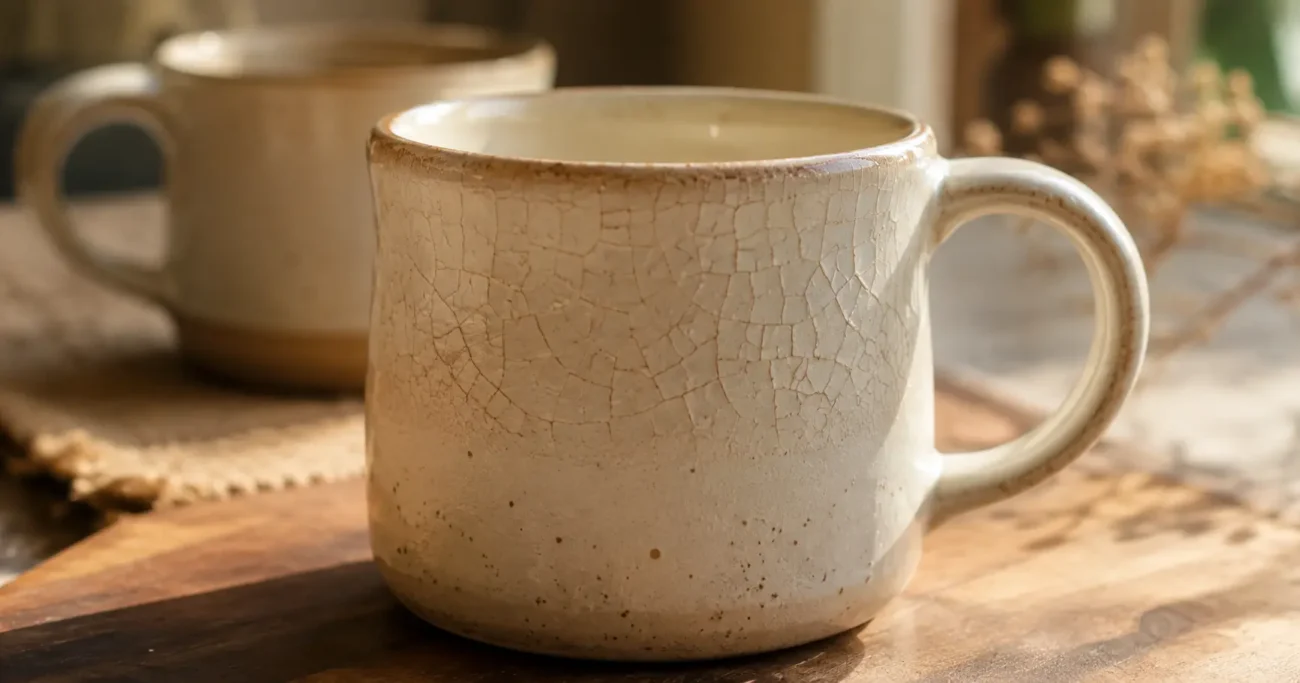
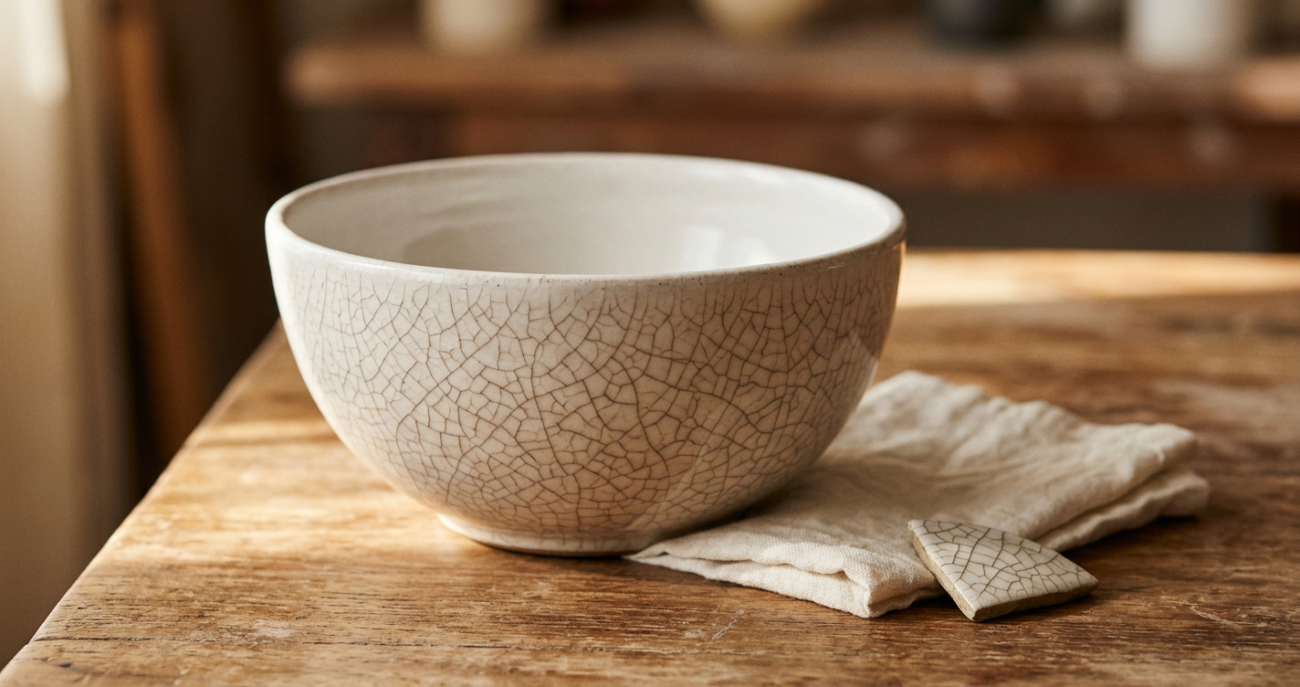
Crazing refers to a network of very fine cracks that appear in the glaze layer of a ceramic item.
Unlike a structural crack that passes through the body of the mug, crazing usually affects only the glazed surface.
It often looks like:
- Spiderweb-like lines
- Fine hairline cracks
- A subtle network of intersecting marks beneath the glaze
In many cases, crazing develops gradually over time and may not be noticeable when the mug is new.
Why Does Crazing Happen?
Ceramics are made from two different materials working together:
- The clay body
- The glaze coating
As the mug cools after firing, both materials expand and contract at slightly different rates.
When the glaze contracts differently from the clay body, stress can build up within the surface. Over time, this stress may create fine cracks in the glaze.
Factors that can contribute to crazing include:
- Manufacturing inconsistencies
- Sudden temperature changes
- Repeated heating and cooling cycles
- Age and long-term use
- Poor glaze fit
Not all crazing appears immediately. Some mugs may develop crazing months or even years after production.
Is Crazing Dangerous?
In most cases, light crazing is not immediately dangerous.
The ceramic mug will usually remain structurally sound and continue to hold liquids without leaking.
However, the concern is not the cracks themselves.
The concern is what can happen inside those cracks over time.
Because crazing creates microscopic spaces in the glaze, substances such as:
- Coffee
- Tea
- Milk
- Sugar
- Moisture
can become trapped within the surface.
This may lead to:
- Permanent staining
- Lingering odours
- Difficulty cleaning
- Potential bacterial growth
For this reason, extensive crazing on frequently used drinking mugs deserves closer attention.
When Is a Mug With Crazing Still Safe to Use?
A mug may still be safe for everyday use when:
- The crazing is light and limited
- There is no staining within the cracks
- The mug has no chips or structural cracks
- The glaze remains smooth and stable
- The mug is cleaned thoroughly after use
Many ceramic enthusiasts continue using lightly crazed mugs without any issues.
The key is monitoring the condition of the mug over time. Before deciding whether a crazed mug is safe to use, it helps to understand what crazing actually is and why it develops in ceramics. If you’re new to the concept, read our guide on What Is Crazing in Ceramics? to learn about its causes, appearance, and long-term effects on ceramic ware.
When Should You Stop Using a Mug With Crazing?
Consider retiring a mug from food use if you notice:
Heavy Staining
If the crazed lines become dark brown, black, or heavily discoloured, residue may be accumulating within the glaze network.
Persistent Odours
A mug that retains unpleasant smells even after washing may be harbouring trapped organic material.
Deep or Expanding Cracks
Crazing should not be confused with structural cracking. If cracks appear to extend through the ceramic body itself, discontinue use immediately.
Rough Surface Texture
A glaze that feels rough or deteriorated may be breaking down beyond simple cosmetic crazing.
Leaking Moisture
A ceramic mug should never absorb or leak water through the body. If moisture appears on the outside after filling the mug, replacement is recommended.
Does Crazing Mean the Mug Contains Lead?
No.
This is one of the most common misconceptions about ceramics.
Crazing and lead content are separate issues.
A crazed mug does not automatically contain lead, and a lead-free mug can still develop crazing.
The safety of the glaze depends on the materials used during production, not on whether crazing is present.
When purchasing ceramic drinkware, choose products made with food-safe glazes from reputable manufacturers.
Can You Prevent Crazing?
While some causes of crazing originate during manufacturing, careful use can reduce the likelihood of it developing prematurely.
Avoid:
- Pouring boiling water into a freezing-cold mug
- Moving a hot mug directly into cold water
- Exposing ceramics to sudden temperature shocks
- Using damaged mugs repeatedly
Gradual temperature changes help reduce stress on the glaze. Proper cleaning, storage, and handling practices can significantly extend the life of ceramic drinkware. For a detailed maintenance routine, see our Complete Ceramic Care Guide.
Are Handmade Ceramic Mugs More Likely to Craze?
Not necessarily.
The presence of crazing depends on the compatibility between the clay body and glaze, not whether the item is handmade or factory produced.
A well-made handmade ceramic mug can remain craze-free for years, while a poorly manufactured factory mug may develop crazing much sooner.
Quality craftsmanship, proper glaze formulation, and correct firing temperatures are far more important than the production method itself.
Final Verdict: Is It Safe to Use a Mug With Crazing?
Light crazing is often a cosmetic issue rather than a safety hazard. However, heavily crazed mugs that show staining, odours, deterioration, or structural damage should be evaluated carefully.
If your mug has only minor surface crazing and remains clean, stable, and free from staining, it can often continue serving you for years.
When in doubt, inspect the mug closely and consider replacing it if signs of wear become significant.
A good ceramic mug should provide both beauty and peace of mind—something every coffee and tea lover deserves. If you’re concerned about mug safety, it’s worth understanding more than just crazing. Our guide on Are Ceramic Mugs Toxic? explains how lead, cadmium, and glaze quality can affect ceramic drinkware.
Frequently Asked Questions
Is it safe to drink from a mug with crazing?
Yes, a mug with light crazing is generally safe to drink from. However, if the crazing becomes heavily stained, develops persistent odours, or is accompanied by deeper cracks, it may be time to replace the mug.
Can bacteria grow in crazing cracks?
Heavy crazing can create tiny spaces where moisture and residue may become trapped. While normal washing removes most contaminants, heavily stained or deteriorated crazing can become more difficult to clean effectively.
Does crazing mean my mug is cracked?
Not necessarily. Crazing usually affects only the glaze layer and does not mean the ceramic body itself is cracked. Structural cracks are deeper and can compromise the strength of the mug.
Why do ceramic mugs develop crazing?
Crazing occurs when the glaze and the clay body expand and contract at different rates. This creates fine hairline cracks in the glaze over time.
Should I throw away a mug with crazing?
Not always. Light crazing is often cosmetic. However, if the mug shows heavy staining, deep cracks, leaking, or signs of deterioration, it is best to retire it from food use.
Are crazed ceramic mugs microwave safe?
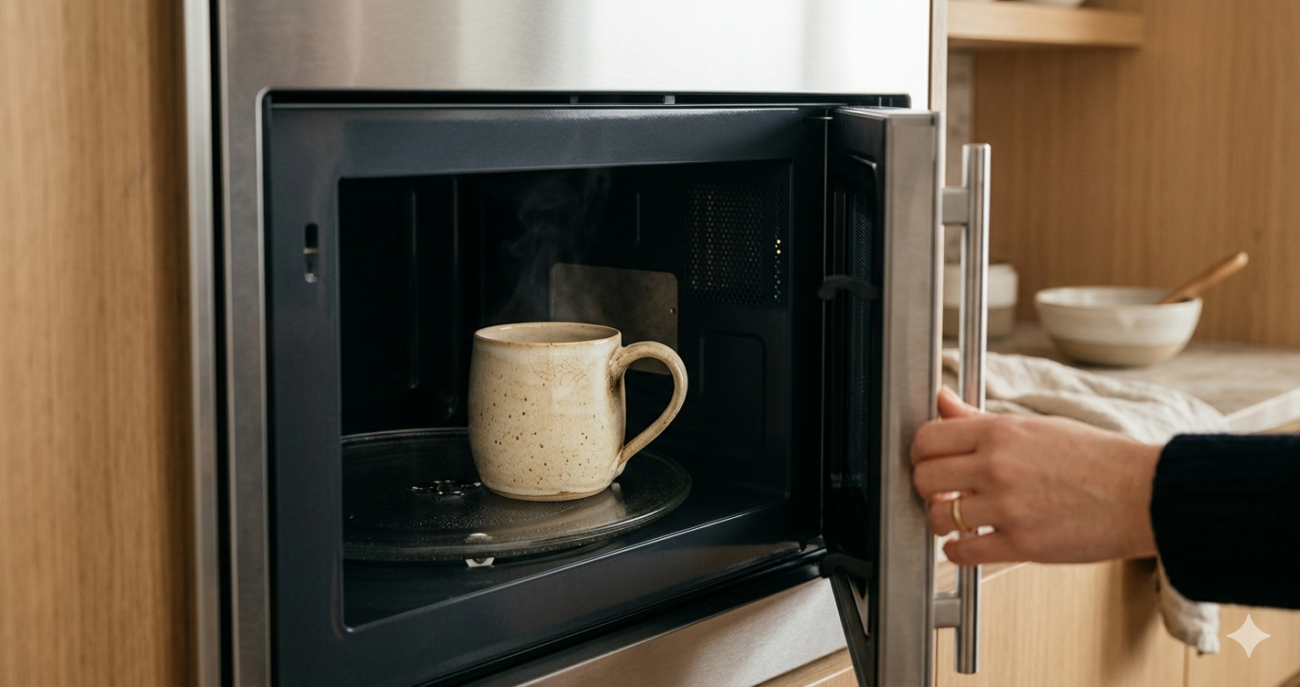
A crazed mug may still be microwave safe if it was originally designed for microwave use and has no metallic decorations. However, heavily crazed mugs should be inspected regularly for signs of further deterioration.
Related Reads
Want to learn more about ceramic mug safety and choosing high-quality drinkware? These guides may help:
- Is Your Ceramic Mug Safe? The Ultimate Guide to Quality and Craftsmanship – Learn how to identify food-safe ceramic mugs, understand glaze quality, and avoid common misconceptions about ceramic drinkware.
- The Complete Ceramic Care Guide – Discover how to clean, store, and maintain ceramic mugs, cups, and serveware to keep them looking beautiful for years to come.
Don’t care to read the full blog, watch this 30 second video instead!










6 thoughts on “Is It Safe to Use a Mug With Crazing? What Every Ceramic Lover Should Know”