
Blog
Complete Ceramic Care Guide: Microwave Safety, Cracks, Cleaning & Everyday Use

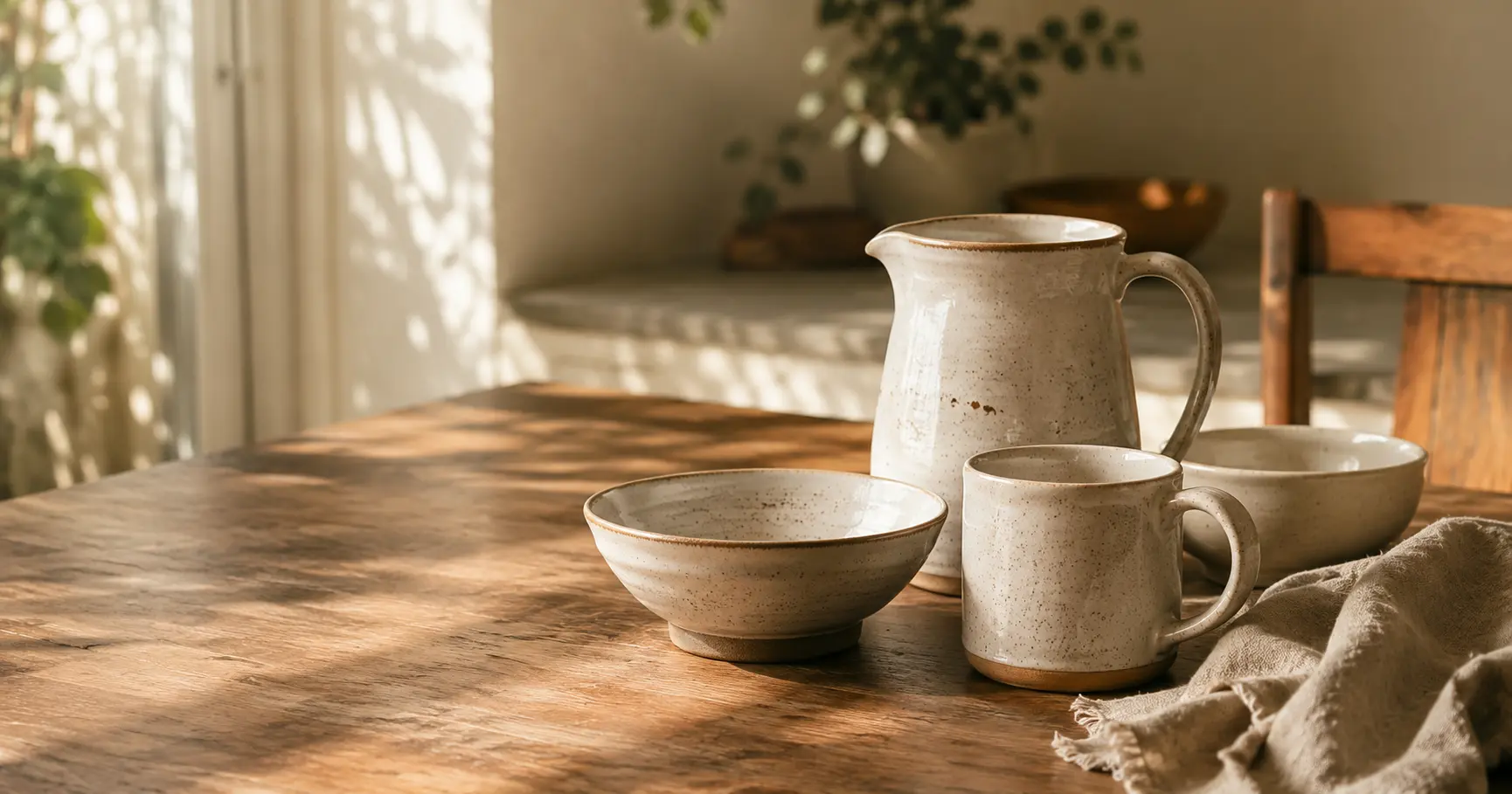
Handmade ceramics become a part of everyday life very quietly.
A morning cup of tea, coffee during work, serving snacks to guests, or simply reaching for the same favorite mug every day — over time, ceramics become attached to routines, comfort, and memories.
But unlike factory-made disposable products, handmade ceramics also need mindful care.
People often wonder:
- Are handmade ceramics microwave safe?
- Why do ceramic mugs crack suddenly?
- Is crazing dangerous?
- Can ceramic mugs go in the dishwasher?
- How do you remove tea stains?
- Are handmade ceramics safe for daily use?
This guide answers the most common questions people have about ceramic care, safety, cleaning, durability, and long-term usage.
Whether you use ceramic mugs, bowls, platters, jugs, or tea sets, these simple practices can help your ceramics last longer while remaining safe and beautiful for everyday use.
Table of Contents
Are Handmade Ceramics Safe for Everyday Use?
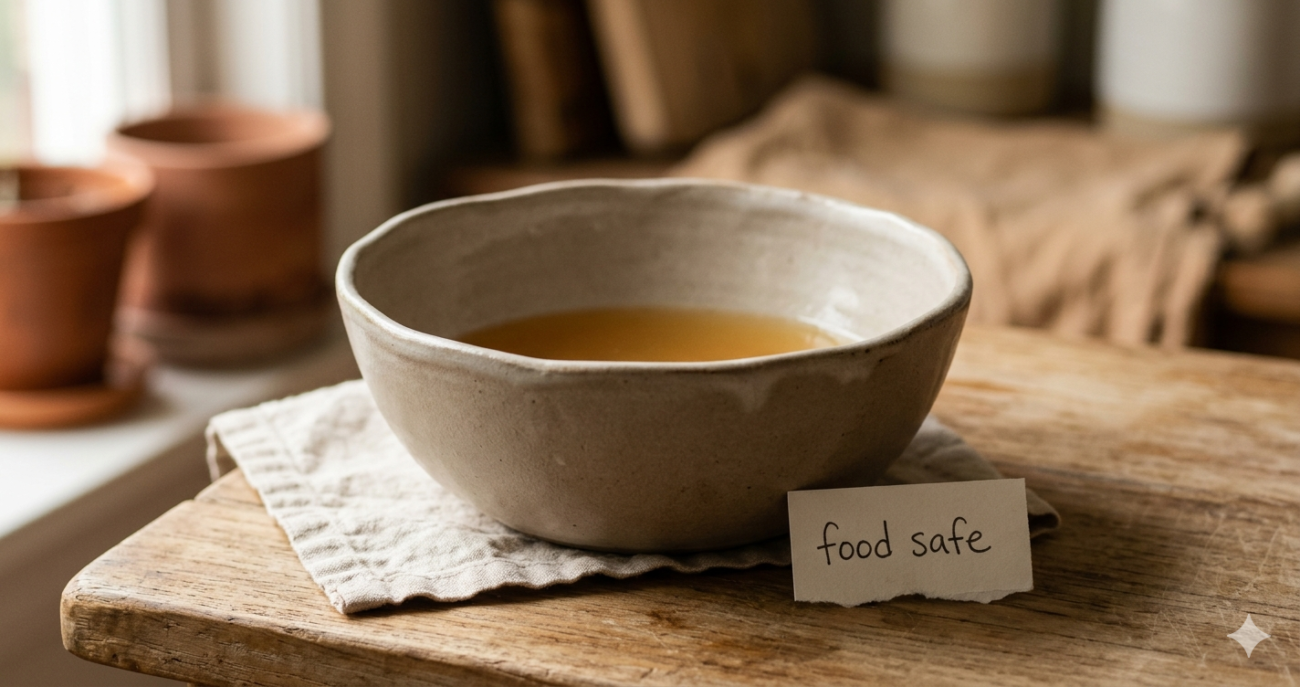
Yes — most well-made handmade ceramics are completely suitable for daily use.
High-quality ceramics made using food-safe glaze and proper firing techniques are designed to handle:
- tea and coffee,
- serving food,
- microwave heating,
- and everyday kitchen usage.
However, like any handcrafted material, ceramics should be treated with a little more care than mass-produced industrial products.
The durability of ceramics often depends on:
- glaze quality,
- firing temperature,
- thickness,
- usage habits,
- and sudden temperature exposure. Wondering what makes one ceramic mug safer than another? Read our guide on how to identify a safe, high-quality ceramic mug.
Are Ceramic Mugs and Bowls Microwave Safe?
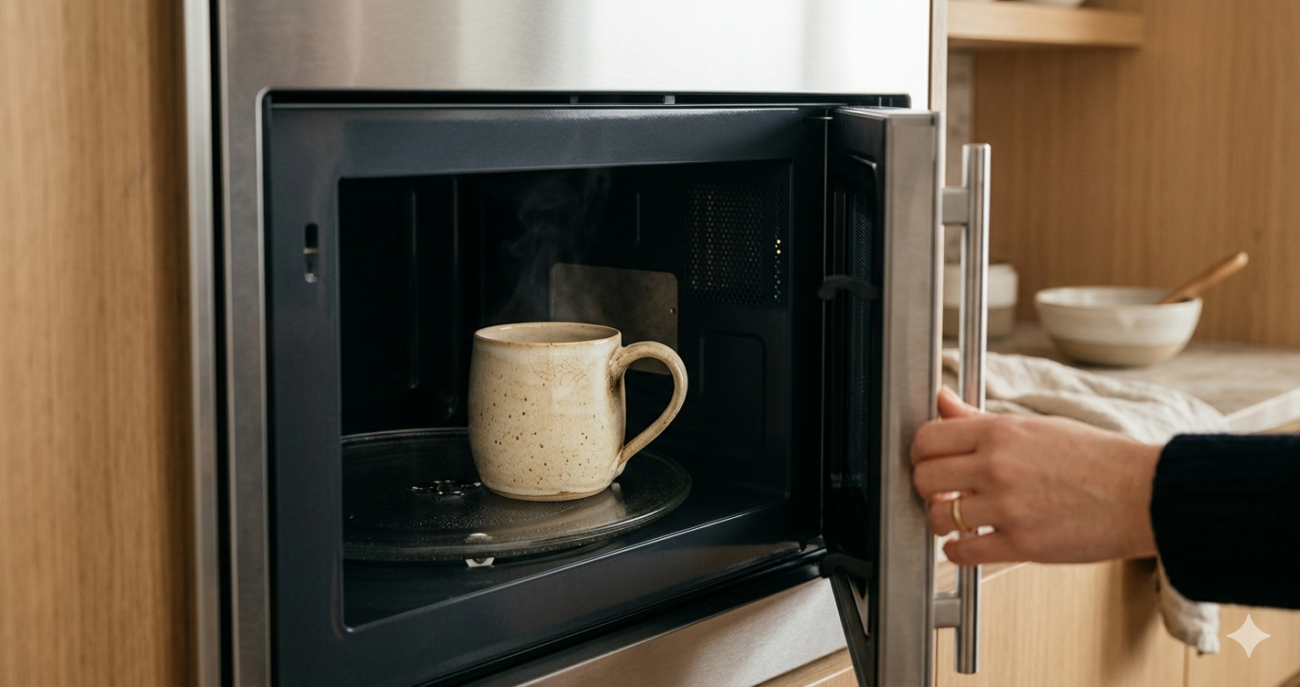
Many handmade ceramic products are microwave safe, but not every ceramic item automatically is.
Generally, ceramics are considered microwave safe when they:
- use food-safe glaze,
- do not contain metallic paint,
- and are properly fired.
However, some decorative ceramics or low-quality glazed products may overheat or react poorly to microwave use.
Signs a Ceramic Product May Not Be Microwave Safe
Avoid microwaving ceramics if:
- they have metallic detailing,
- visible cracks,
- damaged glaze,
- or become excessively hot while the food remains cold.
If a mug becomes hotter than the drink itself, the ceramic may be absorbing microwave energy inefficiently. If you’re unsure whether a specific mug is microwave safe, read our detailed guide on how to tell if a mug is microwave safe.
What is Thermal Shock in Ceramics?
Thermal shock is one of the most common reasons ceramic products crack suddenly.
It happens when ceramics experience rapid temperature changes, such as:
- refrigerator → microwave,
- hot tea poured into a very cold mug,
- oven → cold surface,
- microwave → cold water.
Ceramics naturally expand and contract with temperature. Sudden changes create stress within the material, which may cause cracking.
How to Prevent Thermal Shock
To reduce risk:
- avoid sudden temperature transitions,
- let refrigerated ceramics adjust slightly before heating,
- avoid pouring boiling liquid into extremely cold ceramics,
- never place hot ceramics directly under cold water.
Small habits significantly increase ceramic lifespan. Many people mistake thermal shock damage for manufacturing defects. If you’re unsure whether a cracked mug is still usable, read our guide on whether it is safe to use a mug with crazing.
Why Do Ceramic Mugs Develop Cracks?
Not all cracks are the same.
Some are harmless surface-level glaze lines, while others may weaken the structure of the ceramic.
Common causes include:
- thermal shock,
- accidental impact,
- glaze stress,
- long-term wear,
- repeated overheating. If you’d like to understand the science behind glaze cracking, read our detailed article on what causes crazing in ceramics.
What is Crazing?
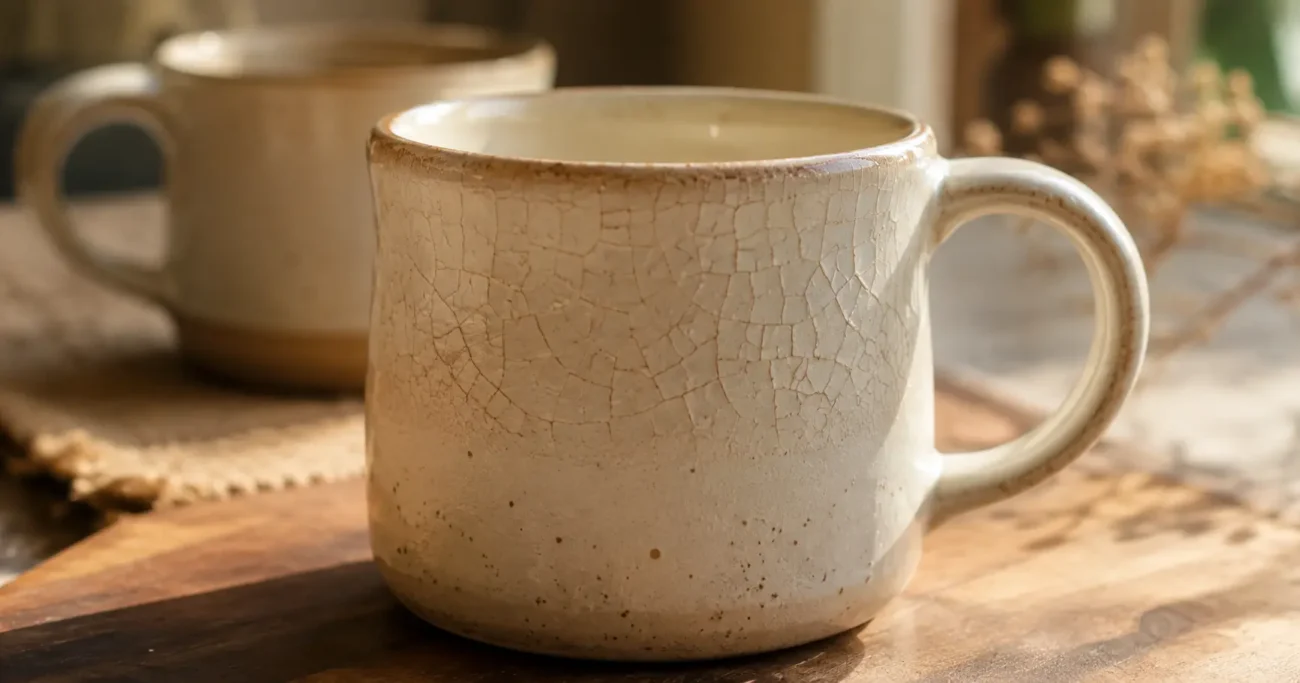
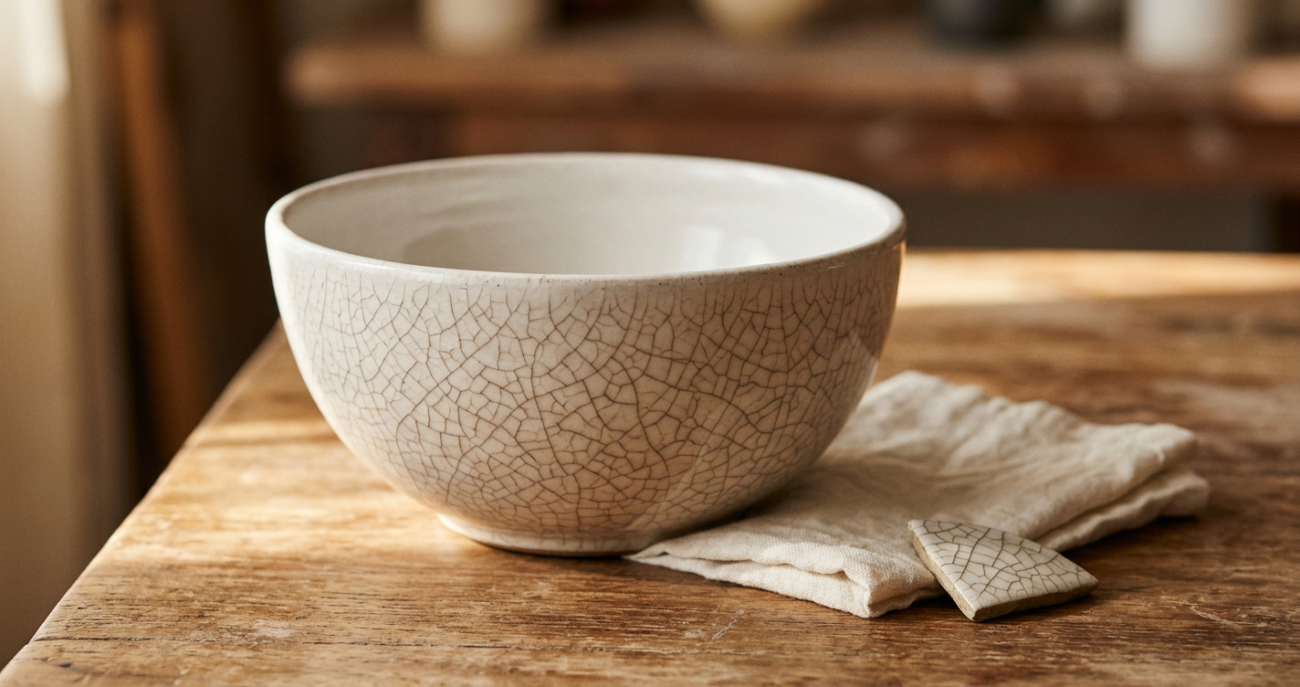
Crazing refers to tiny hairline patterns that appear in the glaze layer. One of the most common glaze changes people notice over time is crazing — a network of fine hairline cracks that can appear in the glaze surface. We cover this in detail in our complete guide to crazing in ceramic glaze.
In many cases, crazing is cosmetic and does not immediately make the ceramic unsafe. However, deep or extensive crazing may absorb moisture over time and can weaken hygiene and durability.
If cracks become large, sharp, or darkened with residue, it may be safer to stop using the item for food or beverages.
Can Bacteria Grow Inside Cracked Ceramics?
Deep cracks and damaged glaze can trap moisture and residue over time.
While minor surface crazing is often cosmetic, heavily damaged ceramics may become harder to clean properly and are better retired from regular food use.
Are Cracked Ceramics Still Food Safe?
This depends on the severity of the damage.
Small superficial glaze lines are often manageable, but ceramics with:
- deep cracks,
- chipped interiors,
- sharp edges,
- or damaged glaze
should generally not be used for daily food consumption.
Damaged areas can:
- trap moisture,
- retain bacteria,
- weaken further during heating.
When in doubt, it’s safer to retire heavily damaged ceramics from food use. Understanding whether your ceramics are food safe starts with the glaze — how it was formulated, what it contains, and how it was fired. We cover this in full detail in our dedicated guide on ceramic food safety. If you’re concerned about heavy metals in ceramics, read our detailed guide on how to tell if a mug contains lead, including warning signs, testing options and what food safety authorities recommend.
Can Handmade Ceramics Go in the Dishwasher?
Many handmade ceramics are dishwasher safe, but handwashing is usually gentler over long periods.
Dishwashers expose ceramics to:
- strong detergents,
- repeated heat cycles,
- pressure from movement,
- and long-term glaze wear.
Over time, this may slightly reduce glaze shine or increase wear on delicate hand-painted details.
Best Practices for Dishwasher Use
If using a dishwasher:
- avoid overcrowding,
- prevent pieces from knocking against each other,
- use mild detergent,
- place delicate ceramics securely.
For hand-painted or artisanal ceramics, occasional handwashing may help preserve finish and detailing longer. Proper cleaning is only one part of ceramic care. Learn more about food-safe glazes, lead and everyday ceramic safety in our guide on whether ceramic mugs are toxic.
How to Clean Tea and Coffee Stains from Ceramic Mugs
Tea and coffee naturally leave stains over time, especially on light-colored interiors.
This does not automatically mean the ceramic is unsafe.
Gentle Cleaning Methods
You can usually remove stains using:
- baking soda paste,
- mild dish soap,
- warm water,
- soft sponges.
Avoid:
- steel scrubbers,
- highly abrasive cleaning pads,
- harsh chemicals.
These may damage glaze over time.
Why Do Some Ceramic Mugs Retain Smell?
Odor retention usually happens when:
- residue builds up,
- moisture remains trapped,
- or glaze damage develops over time.
Proper drying helps prevent this.
Tips to Prevent Odor
- Wash mugs regularly after use.
- Allow ceramics to dry fully before storing.
- Avoid storing sealed moisture inside containers.
- Replace heavily worn ceramics if odor persists.
Ceramic Care Guide: How to Store Ceramics Properly
Improper storage causes many chips and cracks.
Storage Tips
- Avoid stacking heavy ceramics roughly.
- Use separators between delicate plates if possible.
- Do not overcrowd shelves.
- Store mugs where handles are protected from impact.
Small collisions over time often cause unnoticed damage.
How Long Do Handmade Ceramics Last?
Well-made ceramics can last for many years with proper care.
In fact, many people continue using ceramic pieces for decades.
Longevity depends less on “handmade vs factory-made” and more on:
- material quality,
- glaze quality,
- firing standards,
- and daily handling habits.
Handmade ceramics are not automatically fragile.
Many are designed specifically for practical everyday use.
Common Ceramic Care Mistakes People Make
Some very common mistakes include:
- sudden temperature changes,
- overheating repeatedly in microwaves,
- stacking plates carelessly,
- using abrasive scrubbers,
- ignoring cracks,
- exposing ceramics to repeated impacts,
- storing moisture inside containers.
Most ceramic damage develops gradually through repeated small stresses rather than one major accident.
Signs It May Be Time to Replace a Ceramic Mug
Consider replacing a ceramic product if you notice:
- deep cracks,
- sharp chipped edges,
- leaking,
- severe glaze damage,
- persistent odor,
- structural weakness,
- or excessive overheating during microwave use.
Aesthetic aging is normal.
Structural damage is different. Not every crack means a mug needs replacing. Read our guide on how to assess crazing and other surface cracks before deciding whether to retire a ceramic piece.
Why Handmade Ceramics Feel Different
Many people feel emotionally attached to certain mugs or ceramic pieces.
That usually comes from:
- texture,
- weight,
- warmth,
- imperfect handmade details,
- and the rituals associated with using them daily.
Handmade ceramics often feel more personal because no two pieces are exactly identical.
Over time, they quietly become part of everyday routines.
Looking for ceramics designed for everyday use? Explore our collections of handmade ceramic mugs, ceramic bowls and ceramic jugs and pitchers.
Final Thoughts
Ceramics are meant to be used, enjoyed, and lived with.
With a little care:
- mugs stay comforting,
- platters remain beautiful,
- tea sets become part of gatherings,
- and everyday rituals feel warmer.
Understanding how ceramics react to heat, cleaning, moisture, and handling helps your pieces last longer while remaining safe for everyday use.
Good handmade ceramics are not just decorative objects.
They become part of daily life.
Related Reads
Want to learn more about ceramic safety, microwave use and common glaze issues? These guides explore some of the most frequently asked questions about handmade ceramics.
Is Your Ceramic Mug Safe? The Ultimate Guide to Quality and Craftsmanship
Is Ceramic Always Microwave Safe? What Most People Don’t Know
What Is Crazing in Ceramic Glaze? Safety, Causes and What to Do
Is It Safe to Use a Mug With Crazing?
What Causes Crazing in Ceramics?
Frequently Asked Questions
Are handmade ceramic mugs microwave safe?
Many handmade ceramic mugs are microwave safe if they are properly fired and use food-safe glaze.
Why does my ceramic mug become very hot in the microwave?
Some ceramics absorb microwave energy inefficiently, especially if the glaze or clay composition is not optimized for microwave use.
Is crazing dangerous?
Minor crazing is often cosmetic, but deep or extensive cracks may weaken hygiene and durability over time.
Are handmade ceramics dishwasher safe?
Many are, but gentle handwashing may preserve glaze and detailing longer.
How do I remove tea stains from ceramic mugs?
A mild baking soda paste and warm water usually work well without damaging the ceramic surface.
Why did my ceramic plate crack suddenly?
Sudden temperature changes, known as thermal shock, are one of the most common causes.




5 thoughts on “Complete Ceramic Care Guide: Microwave Safety, Cracks, Cleaning & Everyday Use”